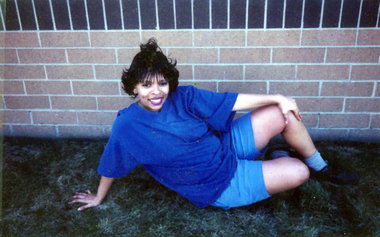
Tishana Culver, a 33-year-old African American woman from Cleveland, Ohio, was last seen in June 2008. She had a history of drifting in and out of her family’s lives, which led to her disappearance going unreported at the time. Her family believed she might have been incarcerated or staying with friends in Akron. A former beautician and mother of several children, Tishana had previously earned a cosmetology degree and trained as a nursing assistant. Despite personal struggles, those who knew her described her as someone who deeply loved her children and lit up when she spoke about them.
In November 2009, the remains of Tishana Culver were identified among those discovered at the home of Anthony Sowell, a convicted sex offender, located at 12205 Imperial Avenue in Cleveland. Sowell, who had moved into the residence in 2005, was later revealed to be a serial killer responsible for the deaths of 11 women. The discovery of Tishana’s remains came during a broader investigation into Sowell’s crimes, which began after a woman escaped from his home and alerted authorities. Police subsequently uncovered the bodies of multiple women in and around the property.
Anthony Sowell, a 50-year-old African American man, was arrested and charged with multiple counts of aggravated murder, rape, kidnapping, and felonious assault. He had previously served 15 years in prison for attempted rape. The remains of Tishana Culver, along with those of other victims, were found in various states of concealment throughout the house and yard. The victims, including Tishana, were primarily African American women who had experienced addiction or housing instability, factors that contributed to their disappearances being overlooked or underreported.
Tishana Culver’s death, like those of the other victims, highlighted systemic failures in how missing persons cases involving marginalized women were handled. Her family, unaware of her fate for over a year, was finally notified after her remains were identified by the Cuyahoga County Coroner’s Office. The case drew national attention and led to public outcry over the lack of urgency in investigating the disappearances of vulnerable women in Cleveland.