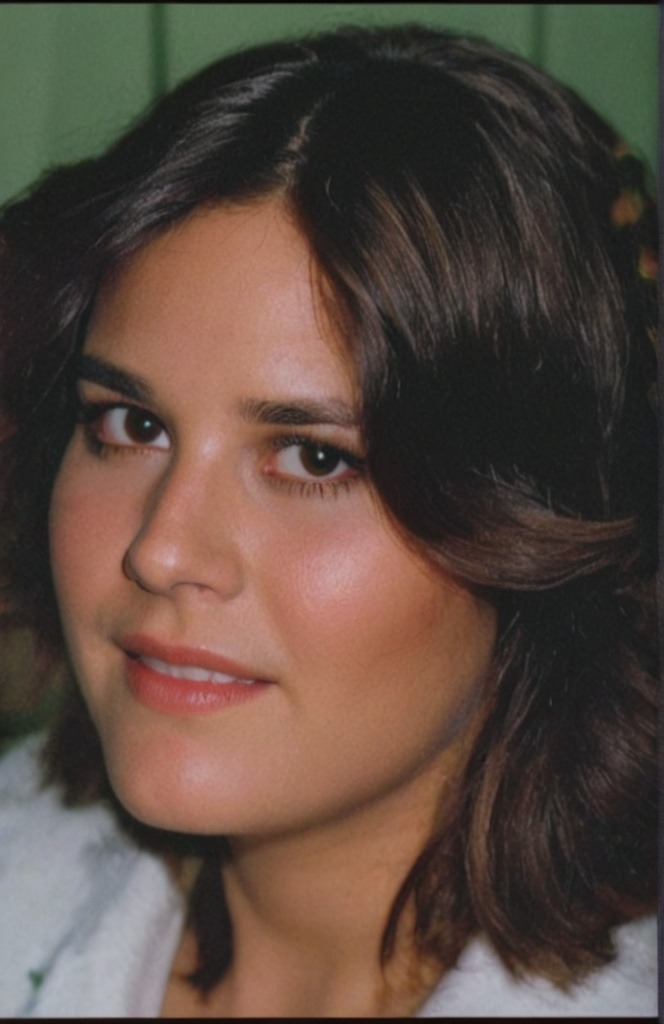
Tammy Lynn Jarschke, a 13-year-old girl from Seaside, California, met a tragic fate in 1981. She and 14-year-old Tanya Jones had run away from a foster home on June 25, 1981. Their remains were discovered three months later in a remote forest along Chews Ridge, near Tassajara Road. The scene was horrifying—both girls had been bound to trees with electrical wire and subjected to torture before their deaths.
The investigation into the murders eventually led to the conviction of Joseph Michael Nissensohn, a serial murderer with a history of violent crimes. Nissensohn was found guilty of the first-degree murders of Tammy Lynn Jarschke, Tanya Jones, and another victim, 15-year-old Kathy Graves, who was killed in South Lake Tahoe in 1989. His crimes were marked by extreme brutality, and he preyed upon vulnerable teenage girls. The jury deliberated for only 90 minutes before recommending the death penalty.
During the trial, Tammy Lynn Jarschke's mother, Penny Jarschke, shared the devastating impact of her daughter's murder. She described suffering from post-traumatic stress disorder and a nervous breakdown, unable to even touch duct tape because Tammy had been found bound with it. The brutality of the crime was underscored by the fact that a screwdriver had been plunged into Tammy's body with such force that the handle broke off.
Nissensohn had previously been convicted of murdering a woman in Washington in 1991. His history of violence and manipulation made him a menace to society, and his sentencing brought some measure of closure to the families of his victims. He was sentenced to death at California State Prison in San Quentin, though the execution remains uncertain due to legal and bureaucratic delays.
The case of Tammy Lynn Jarschke, a 13-year-old girl whose life was cut short in a brutal act of violence, remains a painful reminder of the dangers faced by vulnerable youth. Her story, along with those of Tanya Jones and Kathy Graves, stands as a testament to the importance of justice for victims of violent crime.