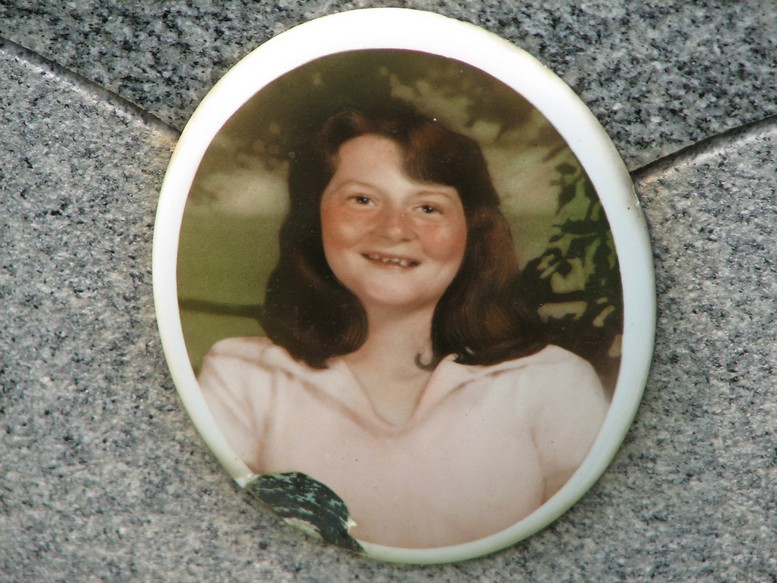
In the winter of 1981, a heart-wrenching tragedy unfolded that ended the life of 13-year-old Amanda Joy Neal. On the evening of January 24th, Amanda and her 12-year-old cousin, Melanie Sue Polk, were looking forward to a sleepover at the home of Amanda's father, Bobby Neal, in Lawrence County, Mississippi. Their plans were shattered by the arrival of Howard Monteville Neal, Bobby's half-brother and Amanda's uncle.
Howard Neal abducted all three of them from the house, forcing them into his car. He drove them to a remote wooded area where he first murdered his brother, Bobby. Afterward, he drove the two young girls to another isolated location. There, in a horrific act of violence, he sexually assaulted both Amanda and Melanie before shooting them and leaving them for dead in the woods. Ten days later, on February 6, 1981, a fisherman discovered the bodies of the two girls. Pathologists determined that Amanda had suffered from bruises, lacerations, and evidence of manual strangulation in addition to the fatal gunshot wound, and may have lived for up to thirty minutes after being shot. Investigators found Amanda's initials scratched into the paint inside the car's trunk, a chilling testament to her final moments.
Howard Monteville Neal fled to California but was apprehended for shoplifting. A background check revealed he was wanted for questioning in Mississippi. After several days of interrogation, Neal confessed to the murders. In February 1982, he was tried and convicted for the capital murder of Amanda Joy Neal. The jury sentenced him to death. Neal spent over two decades on death row, with his attorneys persistently arguing that he was mentally retarded. In 2008, a judge resentenced him to life in prison without the possibility of parole. More recently, in 2023, the Mississippi Supreme Court ordered a new resentencing, making him eligible for the possibility of parole based on the determination of his intellectual disabilities.