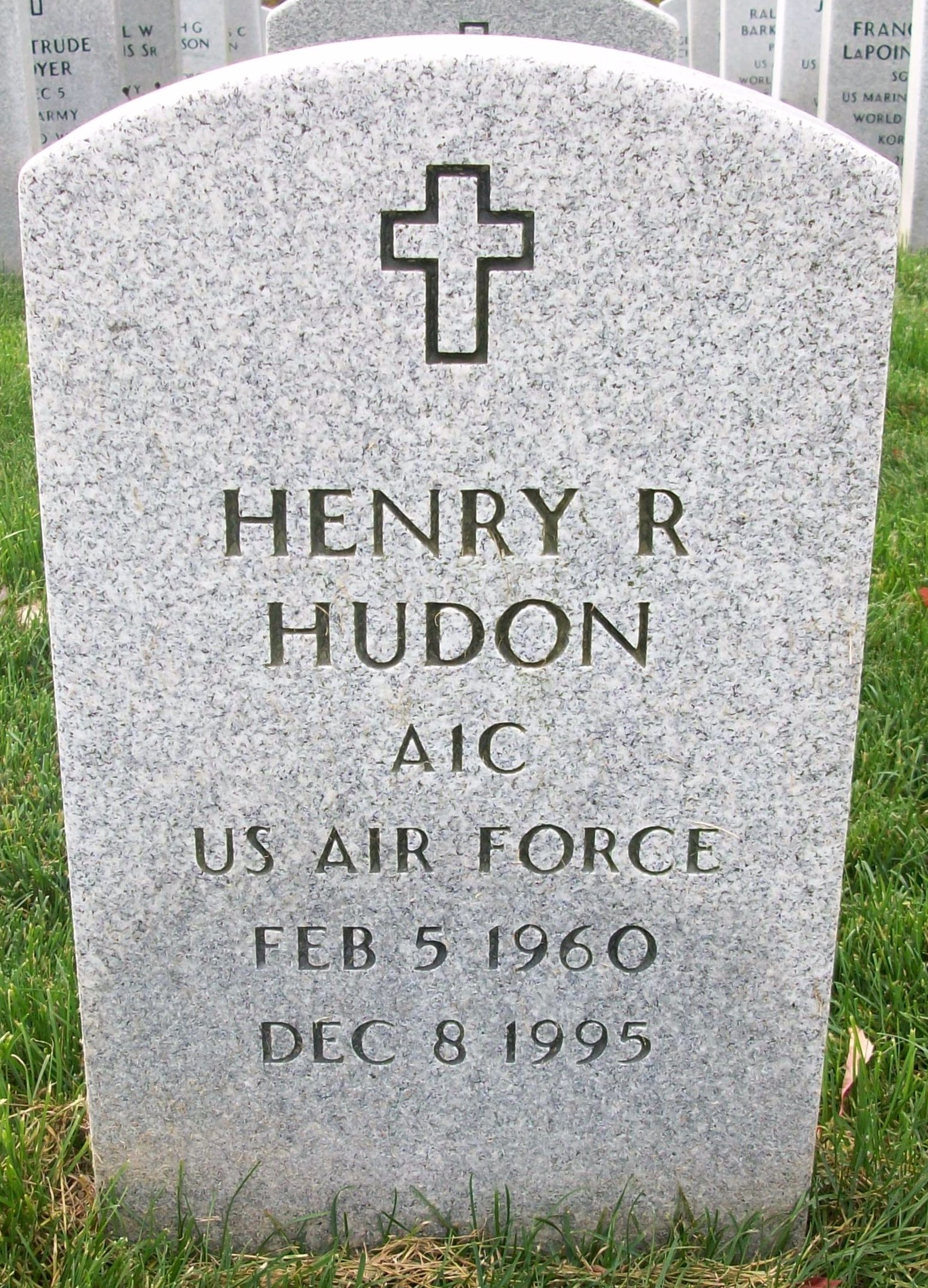
On a cold December day in 1995, Henry Hudon, a 35-year-old White male and an Air Force veteran, found himself back at the Veterans Affairs Medical Center in Northampton, Massachusetts. He was suffering from the flu and complications from his schizophrenia medication. Despite his reservations and a chilling fear he expressed to his family about patients being killed on Ward C, he was admitted to that very unit.
His pleas not to be left there, filled with a desperate insistence that "they kill people here," would tragically become a reality within hours.
Later that evening, on December 8th, Hudon's mother received a call from the hospital. Initially, she believed her son, who had a history of leaving the facility, had simply walked out again. A second, more somber call clarified the devastating truth: Henry Hudon was dead. His family, though immediately suspicious that something was wrong, initially suspected medical negligence rather than a deliberate act of murder. The official cause of death was listed as a heart attack, a conclusion that seemed plausible for a man battling illness.
However, the truth was far more sinister. An autopsy would later reveal that Hudon, who had no history of heart problems, had died from a lethal overdose of epinephrine, a powerful heart stimulant. The investigation into his death and a suspicious pattern of other medical emergencies and fatalities at the hospital led to a part-time nurse named Kristen Gilbert. It was discovered that Gilbert was present for an unusually high number of deaths on her ward.
Prosecutors eventually charged Kristen Gilbert with the murder of Henry Hudon and three other patients. They argued that she intentionally injected her victims with epinephrine to induce cardiac arrest, creating medical emergencies where she could then appear heroic in her efforts to resuscitate them. Gilbert, who was having an affair with a hospital police officer, was said to thrive on the attention and drama of these life-and-death situations. Following a trial, Kristen Gilbert was convicted for the murder of Henry Hudon and the other patients, turning a family's worst fears into a horrific certainty and exposing a chilling betrayal of trust by a caregiver.