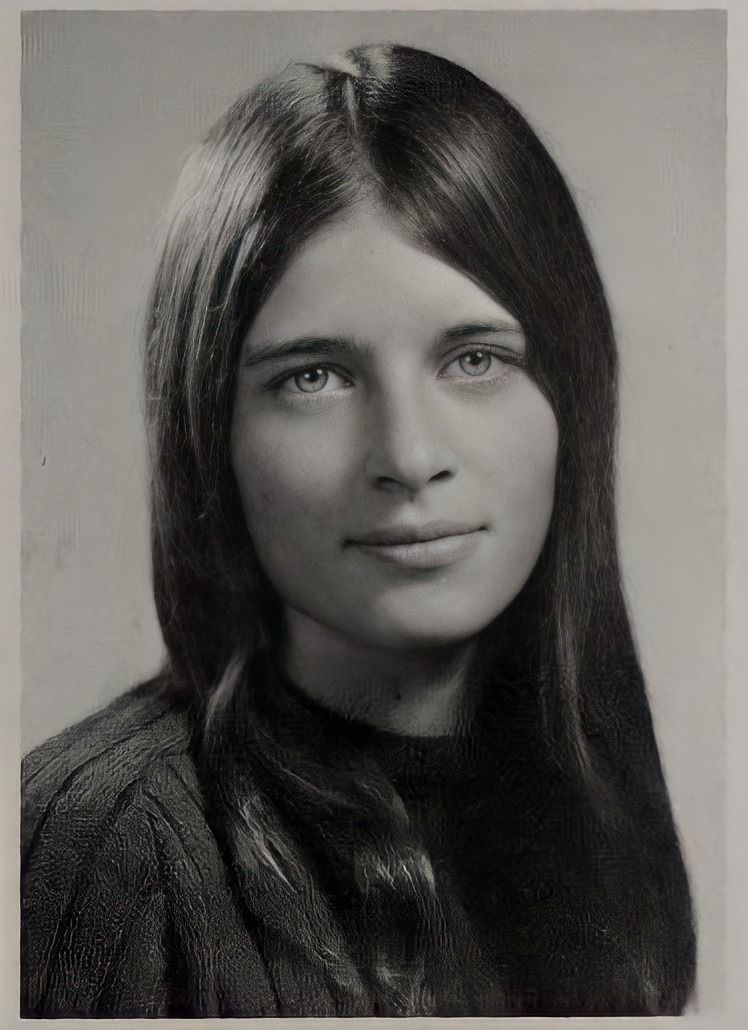
In the late 1960s, a young White/Caucasian woman named Susan Perry, aged 17, found her life tragically cut short in the seaside town of Provincetown, Massachusetts. Perry was last seen in the company of a local carpenter and drug dealer named Tony Costa. Friends of Perry mentioned her desire to leave Provincetown for Boston, seeking a more vibrant scene and a place of her own. She had been staying with Costa, a charismatic yet dangerous individual, before she vanished in 1968.
When questioned about her disappearance, Costa claimed she had run off to Mexico, a plausible story at the height of the hippie and drug counterculture, a time when teenage runaways were not uncommon.
The grim truth of Susan Perry's fate remained hidden until 1969. While investigating the disappearance of two other women, Patricia Walsh and Mary Ann Wysocki, police uncovered a gruesome discovery in the woods near Truro. They found Perry's dismembered body buried in a shallow grave. Her body had been cut into eight pieces. This horrific finding escalated the investigation and pointed directly to Tony Costa. The area where Perry's remains were found was described by Costa as his "secret garden," a place he used to cultivate marijuana and bury stolen drugs.
The investigation ultimately revealed Tony Costa as a serial killer responsible for the deaths of several women. He had brutally murdered Susan Perry, stabbing her in the chest with a knife before dismembering her body. The discovery of Perry's remains was a crucial step that led to the unearthing of other victims and the eventual arrest of Costa. His crimes sent shockwaves through the idyllic communities of Cape Cod, shattering their sense of peace and safety. Costa was ultimately held responsible for the brutal slayings, bringing a close to the terrifying chapter of the "Cape Cod Vampire."