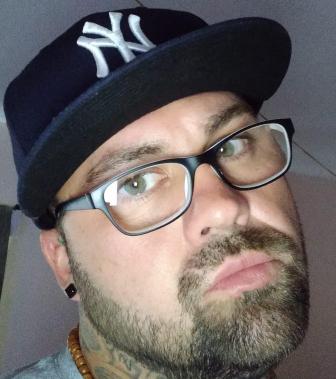
James Self, a male resident of North Port, Florida, died on April 3, 1994. While publicly available details surrounding his death are limited, his name has surfaced in online discussions and inquiries as a possible victim of Daniel Owen Conahan—a man convicted of murder and suspected in a string of brutal killings across southwest Florida during the mid-1990s. Although no official confirmation or investigative records have explicitly linked James Self to Conahan’s known crimes, the context of his death and the timeline has led to speculation that he may have met a similar tragic fate.
James Self was more than a name on a list or a statistic from a time marked by fear and horror in the Sarasota and Charlotte County areas. He was a son, perhaps a brother or friend, whose life came to an untimely end at a young age. In the early 1990s, the region began to reel from a chilling series of crimes that would come to be associated with Conahan, also known in the media as the "Hog Trail Killer." Conahan’s known victims were almost exclusively young men, some of them transient or living on the margins of society, many of them never identified, and all of them subjected to violent, ritualistic assaults before being left in remote, wooded areas.
James Self’s death occurring in April of 1994, places him squarely within the time frame of Conahan’s suspected activity, and the location—North Port—lies only a short distance from the areas where multiple victims’ remains were found. Law enforcement identified a pattern among the victims: most were bound, sexually assaulted, and mutilated. The grim discoveries created a ripple of fear throughout southwest Florida, as it became clear that a predator was operating with terrifying precision and cruelty.
Though official accounts do not list James Self among the confirmed victims, the suggestion that he may have been one of Conahan’s early targets adds a tragic gravity to his story. It underscores the pain of unanswered questions for families whose loved ones disappeared or were found dead under suspicious and violent circumstances. For victims not officially recognized, like James Self, the lingering ambiguity is a cruel burden—a life ended without the closure of justice, their story suspended in a liminal space between rumor and recognition.
There is, too, a broader sadness that emerges when considering James Self’s case: the reality that many young men like him—often marginalized, sometimes forgotten—became targets of a killer who exploited vulnerability and trust. Whether or not James knew Conahan, whether he was lured or simply in the wrong place at the wrong time, the tragedy remains the same. A life was lost. A future was stolen.
To those who knew and loved James Self, the world may remember him only briefly, if at all, but his name deserves to be spoken with the reverence due to all victims of violence. His story—however fragmented—matters. And until every truth is uncovered, and every voice is heard, those who remember James will continue to seek answers, to honor his memory, and to hope that justice, even decades delayed, may still one day arrive.