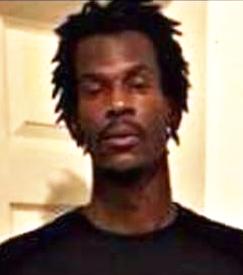
Travis Moore was 28, a man from St. Louis, Missouri, whose life ended far too soon. The few details available here leave a painful kind of blank space around what happened, the sort that families and friends learn to recognize instantly: a name, a hometown, and the weight of absence where a full account should be. He was Black, and that truth carries its own history in a city that has known both deep community strength and deep, repeated loss.
When someone dies and the story isn’t fully told, grief doesn’t arrive neatly. It comes in pieces—through the small memories people carry, through the shock of seeing a familiar name spoken in past tense, through the way a neighborhood seems to hold its breath when another life is taken. In the aftermath, the world keeps moving, but for the people who loved Travis, time doesn’t behave the same way anymore. Days start getting measured by what’s missing: the phone call that won’t come, the laugh that doesn’t break the silence, the ordinary moments that now feel unreal because he isn’t there to live them.
And there’s a second ache that follows close behind the first: not just that he’s gone, but that the “why” and the “who” may not be clear, at least not from what’s been shared. When details are scarce, the mind tries to build bridges over the gaps—replaying what-ifs, searching for meaning, turning over every rumor and every half-formed story because uncertainty is its own kind of torment. The questions become part of the mourning, circling back at night and returning in the quiet hours of the day. People don’t just grieve the person; they grieve the missing answers, too.
What remains, even when the record is thin, is the truth that Travis Moore mattered. A death is never just a statistic or a line of text—there was a whole world of relationships around him, people who knew his voice, people who recognized his walk from across the street, people who remember what he cared about and what he struggled with and what he hoped for. That’s the part no absence can erase: the fact that he lived, that he belonged to a place, and that his name carries real meaning to real people.
Without more publicly shared information, there’s no clear account here of suspects, arrests, or outcomes connected to his death. But a lack of visible answers doesn’t lessen the loss. If anything, it intensifies it—because closure isn’t only about time passing; it’s about truth being spoken plainly, responsibility being named, and a family being allowed to exhale after far too long holding their breath. Until that happens, Travis Moore’s story lives in a painful in-between: remembered by those who loved him, and marked by the emptiness left behind.