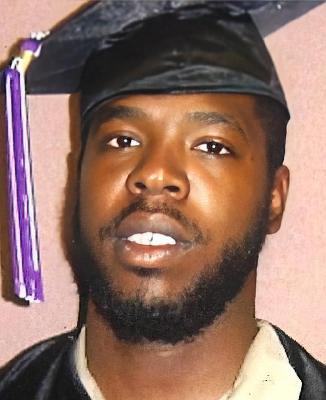
In the late hours of September 6, 2015, in Fayetteville, Tennessee, the life of 19-year-old Carlton Capone Caruth, a young African American man, was tragically cut short. Known for his good manners and active involvement in his community and church, Caruth was a recent high school graduate with aspirations of higher education. The setting of this fatal encounter was a building owned by his parents on Main Street, where a concert was being held.
An altercation arose when Michael Domonic
Sales, a 29-year-old with a recent prison release and a known criminal history, reportedly began trying to provoke a fight. In keeping with his non-confrontational nature, Caruth attempted to de-escalate the situation by asking Sales to leave the premises. As he was escorting Sales outside, he was shot and succumbed to his injuries at the scene. The Fayetteville Police Department quickly identified Sales as the suspect and issued a warrant for his arrest on charges of criminal homicide.
Following the shooting, a manhunt for Michael Domonic Sales was initiated. He was considered armed and dangerous and was added to the Tennessee Bureau of Investigation's Top Ten Most Wanted list. After more than a week on the run, Sales was apprehended. His trial brought to light the claim of self-defense, which was contested by the prosecution. A significant point of contention during the legal proceedings was the assertion by the prosecution that Sales was a member of the Crips gang, a factor they argued negated his claim of self-defense, particularly as a convicted felon in possession of a firearm.
Ultimately, a Lincoln County jury found Michael Domonic Sales guilty of first-degree premeditated murder. For the killing of Carlton Capone Caruth, Sales received a life sentence. His legal battles did not end with the conviction; he later appealed the decision. The appellate court, however, upheld the original verdict, affirming the life sentence and bringing a close to the legal chapter of a case that deeply affected the Fayetteville community.