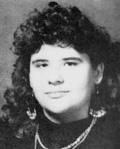
In the late summer of 2015, Nuria Kudlach, a 51-year-old female, was shot and killed in her State College, Pennsylvania, home. The incident, which occurred on August 30, 2015, brought a tragic end to a life that had recently embarked on a new career path in real estate after years dedicated to her family. Those who knew her described a woman with a vibrant personality, an infectious laugh, and a deep loyalty to her friends and her beloved Penn State.
The circumstances leading to her death were rooted in domestic turmoil. In the months before the shooting, the relationship between Nuria and her husband, Alois Kudlach, had become increasingly strained, marked by frequent arguments. The couple was reportedly facing financial difficulties and had discussed divorce. Just two weeks before her death, Nuria sent an email to her husband stating she was 'done' with him and their son's disrespect. The tension escalated the night before the shooting during an argument where Nuria allegedly smashed a cellphone with a hammer. On the morning of her death, another argument ensued, this time involving all three family members.
Following the argument, Alois Kudlach called 911, claiming his wife had come at him with a knife and he had shot her in self-defense. When police arrived at their Gregor Way home, they found Nuria in the kitchen, having been shot three times with a. 45 caliber pistol. She was pronounced dead at the scene. Alois Kudlach, then 49 years old, was taken into custody and subsequently arrested the following night. Their son, who was 19 at the time, was in an adjacent room and heard the gunshots.
Alois Kudlach was charged with first- and third-degree murder, aggravated assault, and possession of an instrument of a crime. Throughout the investigation and trial, he maintained that the shooting was an act of self-defense. However, the prosecution presented a different narrative, arguing that the forensic evidence did not support his claim. An autopsy revealed that Nuria was not facing her husband when she was shot, contradicting his version of events. During the trial, evidence of the couple's troubled marriage, including recorded arguments, was presented to the jury. After a six-day trial in August 2016, a jury found Alois Kudlach guilty of first-degree murder. He was sentenced to life in prison. An appeal was filed on his behalf the following month.