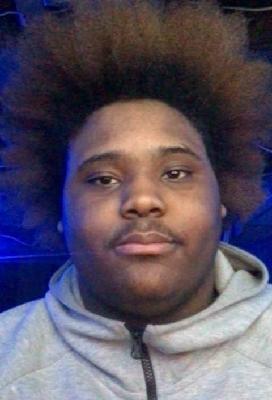
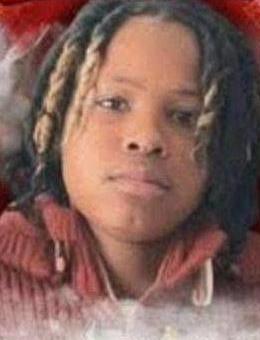
Donnell Dunn was 22, a Black man from Detroit, and on May 24, 2011, his life ended on the 19910 block of Hoover Street. What should have been an ordinary stretch of road in a familiar city became the last place anyone could ever point to and say, this is where he was taken. In the kind of tragedy that leaves a neighborhood quieter for days, the details that might explain how a young man reached that moment feel painfully out of reach, leaving only the hard fact of what happened and the weight of who is gone.
It’s easy for a name to look small on a list, but a name like Donnell Dunn belonged to someone who was more than an entry. Somewhere in Detroit, there were people who knew his laugh, the way he moved through rooms, the plans he spoke about even if they were still unfinished. Someone had his number saved in their phone. Someone expected to see him again. When violence interrupts a life at twenty-two, it doesn’t just stop a heartbeat—it freezes birthdays that will never be celebrated, conversations that will never be finished, and ordinary days that suddenly become precious in memory because there won’t be any more.
The city around Hoover Street kept moving, because cities always do, but loss doesn’t follow traffic lights or business hours. It lingers. It settles into the edges of routines. A family’s world narrows to the sound of a knock at the door, the ring of a phone, the unbearable confirmation that the worst has already happened. Friends replay the last time they saw him, searching for meaning in small moments—whether he sounded tired, whether he smiled, whether he seemed like himself—anything that might soften what can’t be softened.
And yet the story of his death, as it stands in the information available, feels incomplete in the way so many stories like this do. The record points to the place and the date, but it does not give the comfort of resolution. No clear answers emerge in what has been provided here about who pulled the trigger or why, no public accounting that turns grief into closure. What remains is a life cut short and the hollow space left behind, the kind of absence that doesn’t fade simply because time passes.
For the people who loved Donnell, time likely divided into two parts: before and after. Before, when the future still felt open and he was still somewhere in the city, reachable, alive. After, when every holiday, every family gathering, every ordinary Tuesday carries an echo of the same thought—he should be here. A young man’s name becomes something you say carefully, like a prayer, like a promise not to let him disappear into silence.
This is what stays when details are scarce: a reminder that behind a brief record is a full human story, and that the measure of a life is not the way it ends, but the way it was lived and loved. Donnell Dunn’s death marked a point on a map, but his absence marked the hearts of people who knew him, and that kind of mark doesn’t wash away.