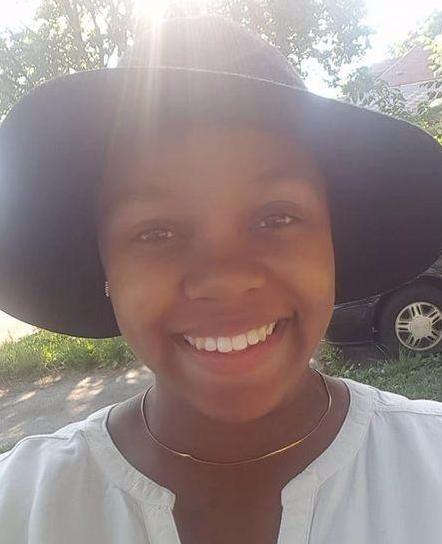
In the winter of 2020, a tragic series of events unfolded in the Detroit metropolitan area, leaving a trail of violence and heartbreak. Among the victims was a 52-year-old woman named Kimberly Green. Her life was cut short on the evening of January 30, 2020, inside a home on Beechwood Street in River Rouge, a city bordering Detroit.
On that fateful day, Kimberly was visiting friends, 48-year-old Dorian Patterson and his brother Gerald.
They were later joined by another man, 44-year-old Clifton Smith. Also present was Kenyel William Brown, a 40-year-old man with an extensive and violent criminal history, who was known to the Patterson brothers from their youth. As the evening progressed and after Gerald had left for work, a dispute erupted. The argument, reportedly over Brown asking to borrow money from Smith, escalated with shocking speed. Brown, who was armed, opened fire, fatally shooting both Kimberly Green and Dorian Patterson.
Clifton Smith was also shot numerous times, sustaining critical injuries, but miraculously survived. He managed to escape the house and alert the authorities, providing a crucial first-hand account of the horrific events and identifying Kenyel Brown as the gunman. Smith's testimony would be instrumental in the ensuing manhunt. Kimberly Green's family was left devastated, remembering her as a beautiful soul who saw the good in everyone and worked for a Catholic social services group. She was a mother of two and a grandmother to a three-year-old. Her daughter expressed that her mother was simply in the wrong place at the wrong time, caught in a senseless act of violence.
The investigation quickly revealed that the murders of Kimberly Green and Dorian Patterson were part of a wider killing spree perpetrated by Kenyel Brown. Over a period of several weeks, Brown was linked to a total of six homicides across River Rouge, Detroit, and Highland Park, as well as two carjackings. The revelation that Brown was a federal informant for the Bureau of Alcohol, Tobacco, Firearms and Explosives and had been allowed to remain on the streets despite repeated parole violations, sparked public outrage and raised serious questions about the use of dangerous criminals as informants. A massive manhunt was launched for Brown, with the U.S. Marshals offering a reward for information leading to his capture.
The search for Kenyel Brown came to a dramatic end on February 24, 2020. After being recognized by employees at an adult bookstore in Oak Park, who promptly called 911, a large-scale police search was initiated in the area. As law enforcement closed in, Brown attempted to flee through residential backyards. Cornered and with no escape, he took his own life with a self-inflicted gunshot wound to the head. He died from his injuries in a hospital four days later, on February 28, 2020. With Kenyel Brown's death, the legal proceedings against him for the murder of Kimberly Green and his other victims came to an end before a trial or conviction could take place. While his death brought an end to the violence, it left the families of his victims with many unanswered questions and the painful legacy of his crimes.