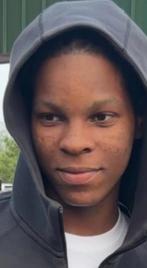
In the spring of 2014, the life of Derrick Neal, a 26-year-old African-American man, was tragically cut short on the streets of Detroit, Michigan. On May 28th, Neal was fatally shot, becoming another victim of the violence that plagued the city. His death unfolded during a period when Detroit was grappling with a high number of homicides, stretching the resources of the local authorities.
The investigation into Derrick Neal's murder was met with significant challenges from the outset. A lack of evidence and a reluctance of witnesses to come forward hampered the Detroit Police Department's efforts to piece together the events of that fateful day. This reluctance was not uncommon in the city, where fear of retaliation often created a wall of silence, leaving investigators with few leads to follow. As a result, Neal's case, like many others in Detroit, remained unsolved for a considerable amount of time.
Despite the passage of years, the case of Derrick Neal is not a forgotten one. It is part of a larger narrative of unsolved homicides that have left a lasting impact on the community. The Detroit Police Department has since established cold case units to re-examine such instances, offering a glimmer of hope that justice may one day be served for victims like Derrick Neal. However, to date, there have been no arrests made, and no suspects have been publicly identified in connection with his death. The story of his unsolved murder underscores the systemic issues that have long affected the city's ability to bring closure to the families of those lost to violence.