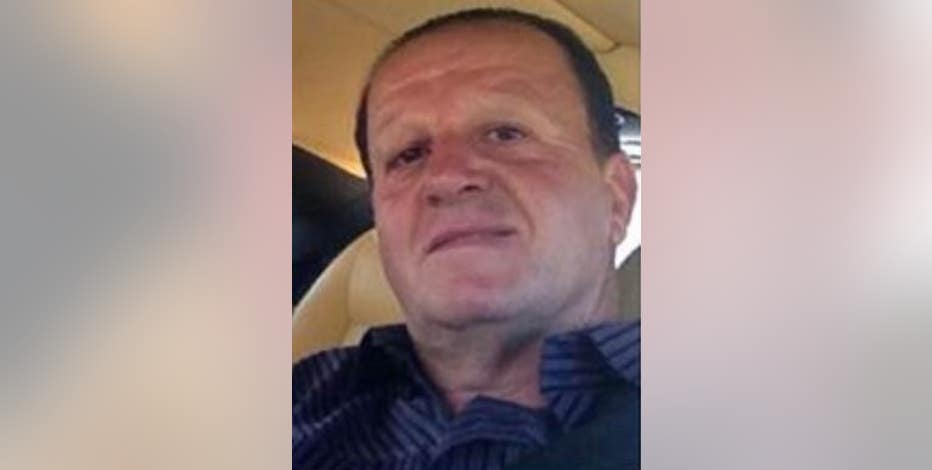
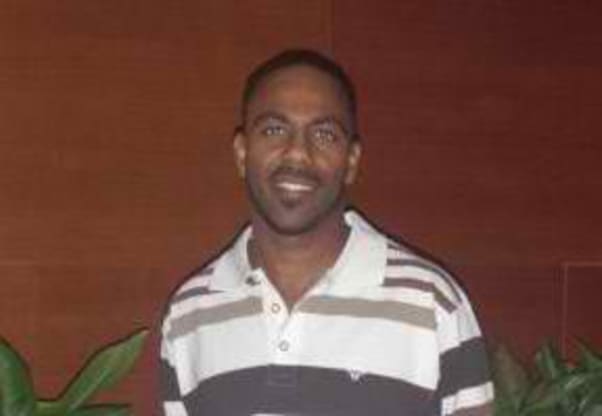
Eric Driscoll, a 40-year-old Black man from Detroit, Michigan, is remembered here only by the pieces of his story that are known: his name, his home, and the simple, devastating fact that he died. In a city built on grit and music and motion, where neighborhoods carry their own histories block by block, news of a loss like this doesn’t just land once. It echoes—through family phone calls, through quiet rooms, through the routines that suddenly feel wrong because someone is missing from them.
There is no date given for when his life ended, no description of what happened in his final hours, no official narrative to hold onto. That emptiness becomes its own kind of presence, because people who loved him are left to carry not only grief, but also the weight of what they don’t know. When the details are scarce, the mind fills in the silence with questions: What did he wake up to that day? Who was the last person to hear his voice? What was said, what went unsaid, what plans were made that never got the chance to unfold?
Detroit is a place of strong ties—friends who become family, neighbors who keep an eye out, communities that learn to endure hardship without surrendering their heart. A death in that setting is never just a statistic. It is a chair that stays empty. A name that still gets spoken out loud in kitchens and on porches. A set of memories that can bring laughter one moment and collapse into tears the next, because the same stories that comfort also remind everyone how final the loss is.
Without more information, it isn’t possible to place Eric’s death into a clear timeline or to describe the circumstances with honesty. What can be said, though, is that the absence of answers often sharpens the pain. When there is no publicly shared account of what happened, grief is forced to coexist with uncertainty, and people are left to grieve in two directions at once—mourning the person they lost and mourning the clarity they don’t have.
No information has been provided here about arrests, suspects, or anyone being held responsible. That, too, shapes the way a tragedy is carried forward. When a loss lacks resolution, it can feel like the world has moved on while the people closest to it are still standing at the same doorway, still listening for footsteps that will never return. The longing for accountability can be as relentless as the longing for the person themselves.
Even so, a life is more than the circumstances of its ending. Eric’s name suggests a life that touched other lives—through family roles, friendships, ordinary kindnesses, and the small daily moments that make someone irreplaceable. Whether he was the one who cracked jokes at the worst possible times, the one who showed up when nobody else did, the one who carried burdens quietly, or the one who made a room feel lighter simply by walking into it, those who knew him would hold versions of him that the outside world never gets to see.
In the end, this story is incomplete by the facts available, but it is not empty. It holds a name that mattered, and a loss that would have rippled outward from Detroit into the lives of people who loved him. The lack of detail does not lessen what was taken. If anything, it underlines how much remains unspoken—how many memories belong to the people who knew him best, and how much of his story deserves to be remembered not just for how it ended, but for the life that came before.