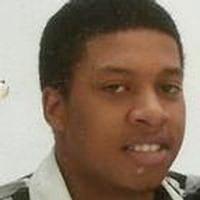
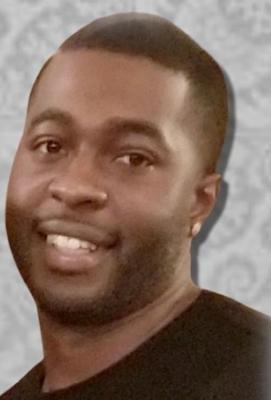
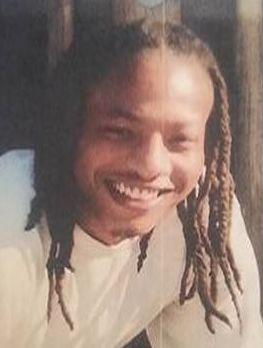
Dari Meadows, a 24-year-old Black man from Greensboro, North Carolina, was caught in violence on the night of March 2, 2021, when police were called to the 3800 block of Mizell Road for what was first treated as an aggravated assault. When officers arrived, they found him suffering from apparent gunshot wounds and rushed him to a local hospital. In the first hours after the shooting, the case was framed as a serious assault, but as the days passed and his condition worsened, it became something
far more final. Greensboro police later reported that Meadows had died, and the investigation was reclassified as a homicide.
The case quickly turned toward a named suspect. Investigators said Timothy Daniel Franklin, also of Greensboro and 24 at the time, was identified as the shooter and taken into custody on March 5, just days after the attack. At first, Franklin was charged with assault with a deadly weapon with intent to kill inflicting serious injury. But once Meadows died, police said that charge was upgraded to first-degree murder, turning the case from a shooting investigation into a murder prosecution.
What made the arrest stand out even more was that police said Franklin was not being investigated only for the attack on Meadows. Authorities tied him to other violent acts as well, including a separate February 13 shooting near Elmwood and Cornwallis drives. In connection with the Mizell Road case, police also said he faced additional charges that included robbery with a dangerous weapon, larceny of a motor vehicle, and possession of a stolen motor vehicle. Reporting at the time described him as being held in the Guilford County Jail on a substantial bond as detectives continued piecing together the events surrounding the killing.
Public reporting on the case appears to clearly identify Franklin as the suspect arrested in Meadows’ death, but the available coverage is much thinner when it comes to what happened afterward. News accounts consistently document the arrest and the upgraded first-degree murder charge, yet there is little readily available reporting showing a later trial, plea, or conviction tied specifically to Meadows’ homicide. What remains most visible in the public record is the terrible arc of the case itself: a young man shot on a Greensboro road, a brief fight for life in the hospital, and an investigation that moved swiftly enough to name a suspect, but not so publicly that the later courtroom outcome is easy to trace from news coverage alone.