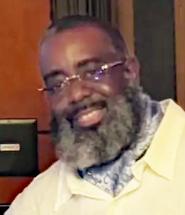
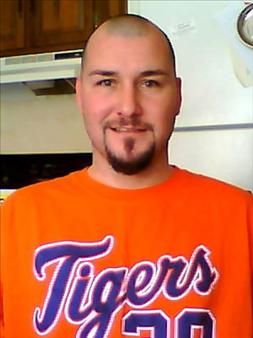
Rashead Charleston was 37 years old when his life came to an end in Detroit, a city he had known in all its complexity—its grit, its warmth, its struggle, and its enduring sense of community. Those who knew him speak more through the echoes left behind than through the documents or headlines that often outlive a person, because his story never became the kind that filled columns in local newspapers or unfolded nightly on the news. Instead, it remains preserved in memories, in conversations whispered between family members, and in the quiet void created when someone’s life ends without the world fully taking notice.
His death did not become the subject of a media cycle, and online records reveal no clear narrative of how his final moments unfolded. There is no widely shared account describing the setting, no official outline of a scene marked by police lights or investigators piecing together what went wrong. The world beyond his circle was left without a timestamp or a neatly summarized explanation, and so the loss of Rashead Charleston sits in a painful uncertainty that can feel heavier than a documented tragedy. In that silence, the people who cared for him are left to carry both their grief and the burden of unanswered questions.
No available public sources identify a suspect or detail an arrest connected to his death. Whether the investigation moved quietly, stalled, or was overshadowed by the many other tragedies that Detroit confronts each year, there is no clear trail showing that anyone was held responsible. The absence of that resolution deepens the ache surrounding his loss. A life ended without accountability creates the kind of lingering sorrow that settles into the spaces between days, the kind that families continue to feel long after the rest of the world has moved on.
Yet even without a complete public record, Rashead’s story is not defined only by the circumstances of his death, but by the weight of a life lived—thirty-seven years of experiences, relationships, joys, and struggles. The people who loved him felt the fullness of who he was, not the gaps left behind by an incomplete narrative. His memory endures because of the impact he had on those around him, the conversations he shared, the moments of laughter, and even the challenges he worked to overcome. When a life ends without a documented explanation, the heart often steps in to preserve what the world failed to record: the humanity, the spirit, the irreplaceable presence of the person who is gone.
Rashead Charleston’s story is, in many ways, a reminder that every life lost leaves behind more than can ever be captured in reports or articles. His absence is felt in the quiet places where he once stood, in the voices that still speak his name, and in the hope that someday more answers may come. Until then, his memory remains carried by those who refuse to let him be forgotten, honoring him not through headlines, but through love, remembrance, and the insistence that his life mattered.