On the first day of 2014, a decorated U.S. Army soldier, returning home to his family, became the victim of a fatal encounter in Marrero, a suburb of New Orleans. Staff Sergeant Joseph Emmanuel Anderson, a 31-year-old male who had served multiple tours in Iraq, was shot and killed in a brazen act of violence that would ultimately lead to the imprisonment of two men.
The incident cut short the life of a father of three and sent shockwaves through the local community, a place he had returned to for the safety and comfort of home.
The tragic events unfolded in the early hours of New Year's Day, in front of his in-laws' residence. Anderson had just arrived and was still in his vehicle when he was approached by two individuals with the intent to steal his car. When the armed men demanded his vehicle, Anderson, a man trained in combat and survival, refused to comply. This act of defiance was met with a fatal gunshot to the head, a brutal end to a life that had withstood the perils of war zones. The perpetrators then fled the scene in Anderson's car, leaving him to die in the quiet suburban street.
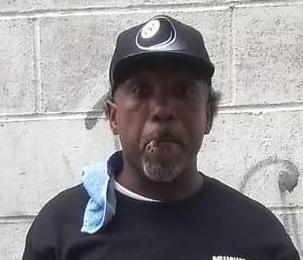
The investigation into the murder of Staff Sergeant Anderson quickly led law enforcement to two suspects: Darwin Bethune and Demond Sandifer. The ensuing legal process revealed a story of a carjacking gone horribly wrong. It was determined that both men were involved in the planning and execution of the crime. The weight of the evidence and the severity of the charges brought different outcomes for the two men.
Darwin Bethune, faced with the prospect of a lengthy trial and a potential life sentence, chose to enter into a plea agreement. He pleaded guilty to a lesser charge of manslaughter, a decision that would spare him from a murder conviction but still hold him accountable for his role in Anderson's death. As a result of his plea, Bethune was sentenced to serve 30 years in prison. The prosecution presented that Bethune was a principal actor in the homicide, actively participating in the plan that led to the fatal confrontation.
Demond Sandifer, on the other hand, faced a trial for his involvement in the crime. The evidence presented during the trial painted a clear picture of his culpability in the death of Staff Sergeant Anderson. The jury, after hearing all the evidence, found Sandifer guilty of second-degree murder. This conviction carried a severe penalty, and he was subsequently sentenced to life in prison. Sandifer's criminal history, which included a conviction for a previous murder, likely played a role in the stringent sentencing, as the justice system sought to permanently remove a violent offender from the streets. The conviction and sentencing of both Bethune and Sandifer brought a measure of closure to the family of Staff Sergeant Anderson, though the pain of his loss remains.