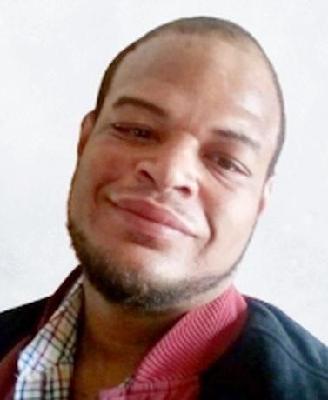
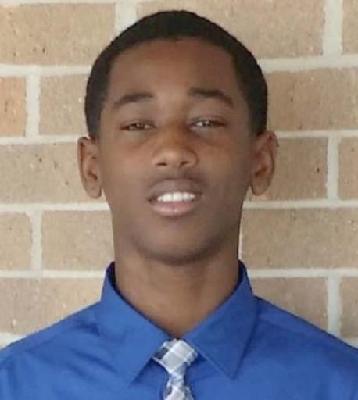
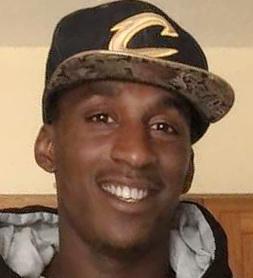
In the late hours of November 10, 2016, a young Hispanic man's life was cut tragically short in Breaux Bridge, Louisiana. Miguel Edmond, a 24-year-old male, was sitting in his vehicle in the parking lot of an apartment complex when he was fatally shot. The incident that unfolded was not a random act of violence, but a robbery that escalated to murder, leaving a community in shock and a family to grieve an immense loss.
Investigators from the Breaux Bridge Police Department, with
assistance from the St. Martin Parish Sheriff's Office and the Acadiana Criminalistics Laboratory, quickly began to piece together the events of that fateful night. Their investigation soon centered on Kieon Alexander as a primary suspect. Through witness testimonies and the analysis of phone records, a narrative began to form of a planned robbery that had gone horribly wrong. It was revealed that Alexander and a co-defendant, Cordell Batiste, had intended to rob Edmond. However, at some point during the commission of the crime, Alexander shot Edmond twice in the back.
In the immediate aftermath of the shooting, Alexander reportedly fled the scene. He confided in a friend that he was "running" and later admitted to his aunt, who lived near the crime scene, that he had "did something bad" and believed he had killed someone. This confession, coupled with the evidence gathered by law enforcement, solidified the case against him. Nearly a month after the shooting, a concerted effort by the St. Martin Parish Sheriff's Office, Louisiana State Police, and U.S. Marshals led to Alexander's arrest.
Exactly seven years and one week after Miguel Edmond's death, justice was served. On November 17, 2023, a St. Martin Parish jury unanimously found Kieon Alexander guilty of manslaughter. The prosecution, led by Assistant District Attorneys Renee Louviere and Jonathan Songy, successfully presented the case built by law enforcement. On April 16, 2025, Alexander was sentenced to forty years at hard labor with the Department of Corrections. The judge stipulated that the first twenty years of his sentence must be served without the possibility of probation, parole, or suspension of sentence, ensuring a lengthy period of incarceration for the man responsible for the untimely death of Miguel Edmond.