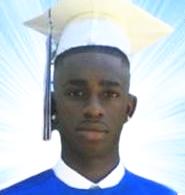
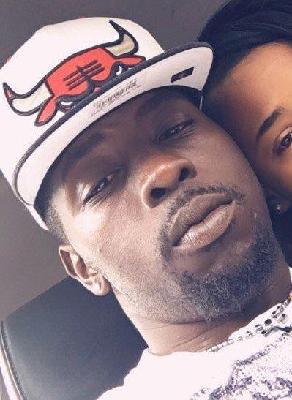
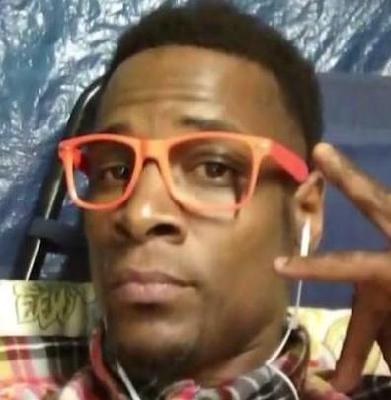
In the quiet rural landscape of Clinton, Louisiana, the life of 48-year-old Brad DeFranceschi was tragically cut short on October 9, 2017. A dedicated employee of the Boy Scouts for two decades and a U.S. Navy veteran, he was gunned down in a drive-by shooting while working on his property, located at the back of the Avondale Scout Reservation where he served as a camp ranger. The shocking event left his wife and two children reeling and a community gripped by fear.
At the time of his death, DeFranceschi was the fourth victim in a string of shootings that had been terrorizing the area for months, creating an atmosphere of unease and prompting a widespread investigation.
The man responsible for the series of attacks was identified as Ryan Sharpe. His arrest brought a sense of relief to the unnerved residents of East Feliciana and East Baton Rouge parishes. During the investigation, Sharpe made a bizarre claim to authorities, stating that the government had issued him 'hunting tags' that he needed to fill by killing people. This confession became a central point of contention in the legal proceedings that followed. Sharpe was also implicated in the shooting deaths of two other men, Tommy Bass and Carroll Breeden, and the attempted murder of a fourth, Buck Hornsby, who survived.
Ryan Sharpe's journey through the justice system was complex. He initially pleaded not guilty by reason of insanity, a defense that prosecutors argued was a calculated attempt to evade criminal responsibility. After mental evaluations deemed him competent to stand trial, he was first convicted in December 2019 for the first-degree murder of Brad DeFranceschi. However, this conviction, secured by an 11-1 jury vote, was later overturned following a Supreme Court ruling that mandated unanimous jury verdicts in criminal cases.
The case was brought to trial once more, and in August 2024, a jury unanimously found Ryan Sharpe guilty of the first-degree murder of Brad DeFranceschi. The verdict, reached in under an hour of deliberation, brought a renewed sense of justice for the DeFranceschi family and the affected communities. Subsequently, Sharpe was sentenced to life in prison without the possibility of probation or parole, ensuring he would no longer be a threat. While this brought a legal conclusion to a painful chapter, the devastating impact of his violent spree on the lives of his victims and their families remains.