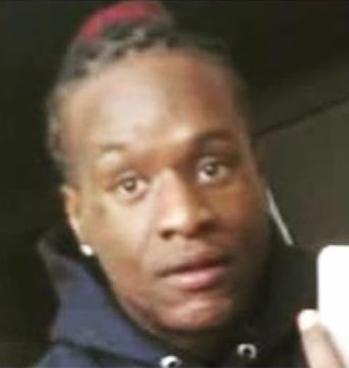
Eric Smith, a 22-year-old African-American man from Forest View, IL, died on April 9, 1996, after being shot by two Forest View police officers. Smith, who was deaf and trained as a wrestler, was involved in a confrontation with the officers along the Stevenson Expressway near Harlem Avenue. The incident began when Smith, his mother Wanda Hogue, and his grandmother Lillie Pruitte pulled over to the shoulder of the expressway.
Smith had become agitated, and his mother wanted to better communicate with him. During this time, Smith ended up in the expressway and was lightly brushed by a car.
The police officers, part-time Officer Robert Lawruk and full-time Officer Peter Bernal, arrived at the scene to investigate the disturbance. According to police reports, Smith began struggling with Bernal, who had approached him with his gun holstered. Smith, who was 6-foot-1 and weighed 270 pounds, applied a choke hold on Bernal. In response, Bernal managed to draw his gun and fired at least twice, striking Smith in the chest and abdomen. Despite being wounded, Smith maintained his grip on Bernal, leading Lawruk to draw his weapon and fire additional shots, ultimately causing Smith to collapse.
The shooting sparked controversy and allegations of excessive force. Smith's family and their attorneys held a news conference, calling the shooting "murder" and accusing the police of using unnecessary force. They argued that the officers were insensitive to Smith's deafness and cultural differences. The family claimed that the police grabbed Smith, held a gun to his head, beat him with a baton, and called him derogatory names before shooting him repeatedly.
A task force investigation by state police concluded that the shooting was justified, stating that the officers' lives were in jeopardy due to Smith's actions. The investigation found that deadly force was necessary to protect the officers. However, the case fueled debates over how police handle interactions with minority groups, particularly those who are deaf and hard of hearing. Members of the deaf community rallied around the case, highlighting the need for better communication and understanding between police and the deaf community.
The incident remains a poignant example of the complexities and challenges in law enforcement's interactions with individuals with disabilities and the broader issues of police use of force and racial dynamics.