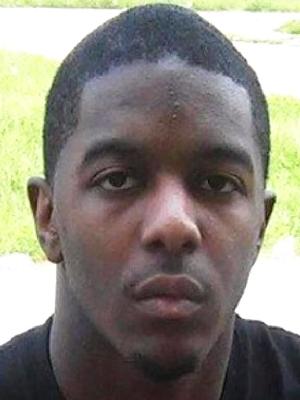
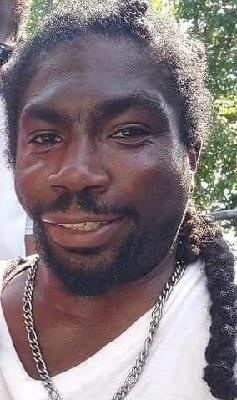
Deylion Lavell Spencer, a 30-year-old African American male, tragically lost his life on October 10, 2017, in Chicago, Illinois. The circumstances surrounding his death have been the subject of extensive investigation and legal scrutiny. Spencer's death was classified as a homicide, and the case has seen significant developments over the years.
The investigation into Spencer's murder revealed that he was shot multiple times in what appeared to be a targeted attack.
The Chicago Police Department launched an intensive investigation to identify and apprehend the perpetrators. Several suspects were questioned, and the case saw multiple arrests. However, the complexity of the case and the involvement of multiple individuals made it challenging to secure convictions.
One of the key suspects in the case was a known gang member with a history of violent offenses. This individual was arrested and charged with Spencer's murder, but the case faced numerous legal hurdles. The defense argued that there was insufficient evidence to prove the suspect's involvement beyond a reasonable doubt. As a result, the case went through several rounds of litigation, with appeals and motions filed by both the prosecution and the defense.
In addition to the criminal proceedings, Spencer's family pursued civil litigation against the city of Chicago, alleging negligence and failure to provide adequate protection. The lawsuit claimed that the city's failure to address gang violence and provide sufficient law enforcement resources contributed to Spencer's death. The case garnered significant media attention and sparked debates about the city's handling of violent crime.
Despite the challenges, the investigation into Spencer's murder remains active. Law enforcement continues to pursue leads and gather evidence in the hopes of bringing those responsible to justice. The case serves as a stark reminder of the ongoing struggle against gun violence and the impact it has on communities.
Deylion Lavell Spencer's death is a tragic example of the senseless violence that plagues many urban areas. His family and friends continue to seek justice and remember him as a beloved son, brother, and friend. The legal battles and investigations surrounding his case highlight the complexities and challenges of addressing violent crime in a city like Chicago.