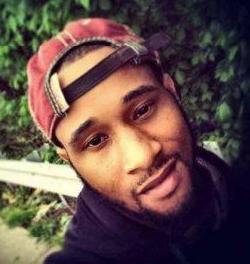
Earl Thomas Williams, 26, a Black man from Baltimore, Maryland, was killed in the first hours of July 16, 2007, after violence spilled into the 2100 block of Koko Lane. Just after midnight, emergency calls pulled officers into West Baltimore, where a shooting left him mortally wounded and the neighborhood jolted awake by sirens and flashing lights.
His death landed in the middle of a brutal summer stretch for the city, a weekend that left multiple men dead and several others wounded in separate shootings across Baltimore. By daylight, the city’s grief had blended into a wider public outcry over the pace and scale of the killings—an argument that Baltimore was being choked by a steady rhythm of gunfire that never seemed to let up.
In the immediate reporting tied to that night, there was no public description of a suspect, no announced motive, and no named person taken into custody for the shooting on Koko Lane. What emerges instead is the outline of a case that began the way so many do: a scene secured, detectives trying to stitch together what happened minute by minute, and a family suddenly forced to measure time as “before” and “after.”
As far as the sources available online about the incident itself, no later arrest, charging document, trial, or conviction is identified in connection with Williams’s killing. That absence leaves the ending unresolved in public view—an investigation that, at least in what can be corroborated from accessible reporting, does not yet come with the clarity of a courtroom name, a set of charges, or a verdict to close the story.