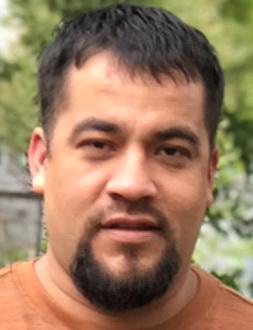
Nestor Herrera, a 27-year-old Hispanic male from Aurora, Illinois, tragically lost his life on May 9, 2019. The circumstances surrounding his death were deeply unsettling, as it was determined to be a homicide. Herrera's body was discovered with multiple gunshot wounds, leading investigators to conclude that he had been murdered. The incident occurred in a residential area, causing significant concern and fear within the local community.
In the aftermath of Herrera's death, law enforcement agencies launched a thorough investigation to identify and apprehend those responsible. The investigation revealed that Herrera had been involved in a confrontation with several individuals shortly before his death. Witnesses reported hearing gunshots and seeing a group of people fleeing the scene. This information was crucial in guiding the police's efforts to track down the suspects.
As the investigation progressed, several suspects were identified and subsequently arrested. Among them was a 25-year-old male, also of Hispanic descent, who was believed to have played a central role in the murder. The suspect was charged with first-degree murder and other related offenses. During the trial, prosecutors presented compelling evidence, including eyewitness testimonies and forensic analysis, which linked the suspect to the crime scene. The defense, however, argued that there was insufficient evidence to prove the suspect's guilt beyond a reasonable doubt.
The trial garnered significant media attention, highlighting the broader issues of violence and crime within the community. The prosecution's case was bolstered by the testimony of a key witness who claimed to have seen the suspect with a firearm shortly before the shooting. Additionally, forensic experts testified that the ballistic evidence matched the weapon found in the suspect's possession. Despite the defense's efforts to cast doubt on the credibility of the witnesses and the forensic evidence, the jury ultimately found the suspect guilty of first-degree murder.
Following the conviction, the suspect was sentenced to a lengthy prison term, providing some measure of justice for Herrera's family and friends. The case also prompted local authorities to implement additional measures aimed at reducing violence and improving community safety. These efforts included increased police patrols, community outreach programs, and initiatives to address the root causes of crime.
Nestor Herrera's untimely death was a stark reminder of the pervasive issues of violence and crime that continue to affect many communities. His family and loved ones continue to mourn his loss, while the community remains vigilant in its efforts to prevent such tragedies from occurring in the future. The case of Nestor Herrera serves as a poignant example of the importance of justice and the ongoing need for effective measures to combat violence and ensure the safety of all residents.