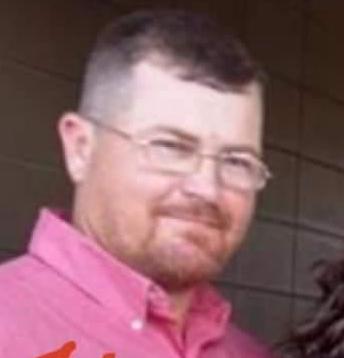
In the quiet community of Screven, Georgia, the life of 35-year-old Richard Benjamin Trantham Jr. was abruptly ended by a single act of gun violence on March 26, 2016. What began as a seemingly casual evening visit from an acquaintance would tragically culminate in his death on the back porch of his own home.
On that Saturday, Trantham was inside his mobile home with two friends when Andy O'Quinn, a man he knew, arrived.
After a short while, O'Quinn asked Trantham to join him outside for a beer. Moments after the two men stepped out, a gunshot rang through the air. Trantham's friends, alarmed by the sound, rushed to the back door to find him lying on the porch with a severe gunshot wound to his chest. Emergency responders pronounced him deceased at the scene, the cause of death later determined to be a single, high-velocity gunshot to the back.
The investigation into Trantham's death revealed a narrative of drug-related motives. Trantham's brother testified that his brother had been struggling with a drug problem and had recently robbed a woman who had supplied him with drugs. This act had apparently led to a 'hit' being taken out on him, a fear Trantham had expressed before his death.
The case against the perpetrators came together through the investigation led by the Georgia Bureau of Investigation. Two men, Robert Rogers and Andy O'Quinn, were implicated in the murder. Court documents revealed that Rogers had contacted O'Quinn, whom he had not seen in many years, on the day of the shooting. Rogers was seeking the whereabouts of Trantham, claiming he 'owed some money' and that he merely wanted to 'watch him and scare him.' The two men later drove to Trantham's residence.
During the trial of Robert Rogers, O'Quinn, who was indicted separately and had secured a plea offer, testified for the prosecution. His account detailed the events leading up to the fatal shot. Rogers was subsequently convicted of felony murder, aggravated assault with a deadly weapon, and conspiracy to commit aggravated assault. He was, however, found not guilty of malice murder. For his role in the death of Richard Benjamin Trantham Jr., Robert Rogers was sentenced to life in prison without the possibility of parole.