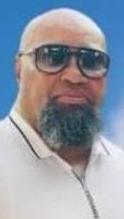
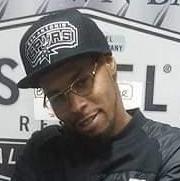
Leon Donta Smith, a 34-year-old Black man, died on January 9, 2011, in Baltimore, Maryland.
That winter day placed him on the city’s homicide rolls, tied to the 300 block of East 33rd Street—an address recorded alongside the date his life ended, the kind of blunt entry that hints at flashing lights, hurried voices, and neighbors craning at windows for answers that wouldn’t come easy. In the public lists that catalog Baltimore’s killings from that year, his name appears without a suspect’s name attached, no caption of “charged” or “pled,” just the silence of an unresolved line.
In the wake of his death, the paper trail that survives online is more memorial than narrative. A burial record preserves the essentials—his birth date, his death date, and the place where he was laid to rest at Mount Zion Cemetery in Lansdowne, Maryland—marking the point where the public story stops and private grief takes over.
As for arrests, named suspects, or courtroom outcomes connected to his killing, the readily accessible online summaries that list Baltimore’s 2011 homicide victims do not attribute his death to any identified person, and they do not note charges, a trial, or a conviction tied to his case.