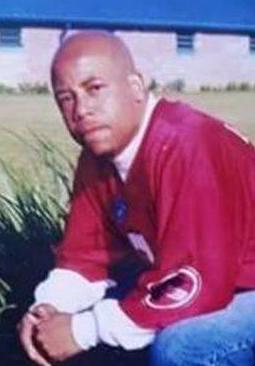
Daries Williams, 37, a Black male from Baltimore, was killed on January 2, 2014, in a burst of violence that punctured the city’s earliest hours of the new year. That Thursday night, officers were sent to North Patterson Park Avenue near East North Avenue, where they found Williams and another victim, Nathaniel Adams, with gunshot wounds to the head.
The scene was stark and sudden, the kind that leaves little behind but shell-shocked quiet and a street corner that will never feel ordinary again.
As investigators moved in, the case took on the familiar rhythm of an urgent homicide response: securing the area, tracing the final movements, and trying to understand how two lives ended in the same place and moment. In the days that followed, police publicly identified Williams among the victims and asked anyone with information to come forward, signaling that detectives were still piecing together what happened and who might have been responsible.
Public reporting from that period did not describe any named suspect, nor did it announce arrests connected to Williams’ killing. Instead, the information released emphasized the appeal for tips—an open call that often appears when investigators need witnesses, private camera footage, or someone willing to explain what the street saw and what it refused to say out loud.
The killing unfolded against a broader backdrop of early-2014 bloodshed that local coverage described as rapidly stacking up cases, with police urging the community’s help as homicide investigations mounted. In that atmosphere, Williams’ death read less like an isolated tragedy and more like one chapter in a grim opening stretch—one that left detectives searching for answers and a neighborhood left to live beside the absence.