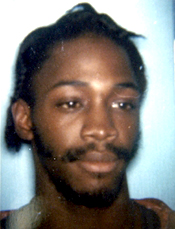
Manuel A. Camareno, a 25-year-old resident of Tallahassee, Florida, tragically lost his life on September 11, 2014. The incident occurred in the early hours of the morning, when Camareno was found with fatal gunshot wounds. The Tallahassee Police Department responded to reports of a shooting near Pensacola Street, where they discovered Camareno's body.
Despite immediate medical attention, he was pronounced dead at the scene.
The investigation into Camareno's death revealed that he was the victim of a targeted attack. Witnesses reported hearing multiple gunshots and seeing a vehicle speeding away from the scene. The police launched a thorough investigation, collecting evidence and interviewing potential witnesses. However, the case initially faced challenges due to a lack of concrete leads and the reluctance of some witnesses to come forward.
In the months following the incident, the Tallahassee Police Department made significant progress in the case. They identified several suspects believed to be involved in the shooting. One of the key suspects was arrested and charged with first-degree murder. The arrest was a result of collaborative efforts between local law enforcement and federal agencies, who provided crucial support in tracking down the suspect.
The legal proceedings related to Camareno's murder were complex and drawn out. The suspect's defense team argued that there was insufficient evidence to prove their client's involvement beyond a reasonable doubt. However, the prosecution presented a compelling case, including forensic evidence and testimonies from witnesses who eventually agreed to cooperate. The trial garnered significant media attention, highlighting the impact of gun violence in the community and the efforts of law enforcement to bring justice to the victims.
Throughout the investigation and trial, Camareno's family and friends remained steadfast in their pursuit of justice. They attended court hearings and participated in community vigils, honoring his memory and advocating for a safer community. The case also prompted discussions about the need for increased community engagement and cooperation with law enforcement to prevent similar tragedies in the future.
Ultimately, the suspect was found guilty of first-degree murder and sentenced to life in prison without the possibility of parole. The conviction provided a sense of closure for Camareno's loved ones, though the pain of his loss continues to resonate. The case of Manuel A. Camareno serves as a poignant reminder of the devastating impact of violence and the importance of community solidarity in seeking justice.