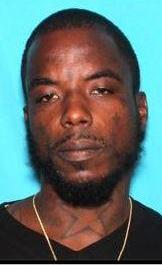
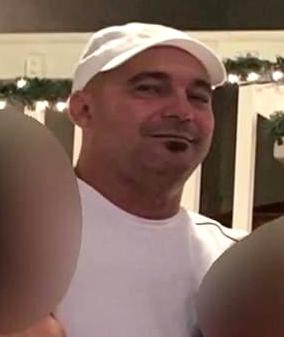
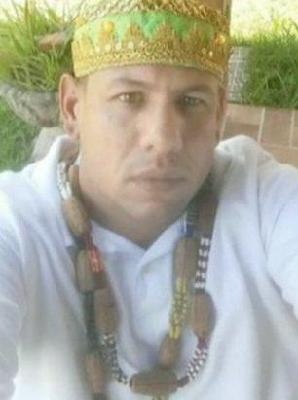
Paul Anderson, aged 30, tragically lost his life on March 2, 2016, in Miami, Florida. His death was the result of a violent altercation involving rival motorcycle gangs. Anderson was the president of the Cross Bayou Chapter of the Outlaws Motorcycle Club, a position that placed him in the midst of ongoing tensions with other motorcycle clubs in the region.
On the day of his death, Anderson was ambushed and shot multiple times in broad daylight, a brazen act that shocked the local community and law enforcement alike.
The investigation into Anderson's murder quickly identified several suspects. Three men were charged in connection with the killing, including Chris Cosimano, the president of the 69'ers Motorcycle Club, who was alleged to be the shooter. The other two suspects were also members of the 69'ers, and their involvement highlighted the deep-seated rivalry between the two clubs. The murder was seen as a calculated move to assert dominance and send a message to the Outlaws.
The legal proceedings that followed were extensive and highly publicized. Cosimano and his accomplices were tried for first-degree murder, and the court heard detailed accounts of the planning and execution of the attack. The prosecution presented evidence that included surveillance footage, witness testimonies, and forensic analysis, all of which painted a clear picture of a premeditated act of violence. In 2019, Cosimano and his co-defendants were found guilty and sentenced to life imprisonment without the possibility of parole.
The case also had broader implications for law enforcement's approach to motorcycle gang violence. The Miami-Dade Police Department, along with federal agencies like the ATF, increased their efforts to monitor and disrupt the activities of outlaw motorcycle clubs. The murder of Paul Anderson served as a stark reminder of the potential for violence within these groups and underscored the need for continued vigilance and intervention by authorities.
Anderson's death left a lasting impact on his family and the local community. He was remembered not only as a leader within his club but also as a son and brother. His funeral was attended by a large number of fellow bikers, and the heavy law enforcement presence underscored the ongoing concerns about potential retaliation and further violence. The legacy of his death continues to influence the dynamics of motorcycle gang interactions in Florida and beyond.