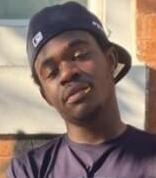
Gerald Leon Smith Jr., a 17-year-old Black male from Baltimore, Maryland, was killed on June 2, 2015, in a year when the city was already buckling under a relentless wave of violence. That day, as early summer settled in, the ordinary rhythms of neighborhood life were interrupted by gunfire, the kind of sudden eruption that leaves behind panic, sirens, and a street transformed into a place people remember for all the wrong reasons.
The fatal shooting was associated with the 4100 block of Grenton Avenue, where he was identified as a homicide victim. In the aftermath, the scene would have carried the familiar marks of a Baltimore killing in 2015: an urgent rush of first responders, investigators working to reconstruct the final minutes, and neighbors left weighing what they heard against what they were willing to say out loud. The loss of someone so young landed not as an isolated tragedy, but as another wound in a city already counting its dead.
Publicly available records tied to the case do not describe a named suspect, a known motive, or a clear sequence of events leading up to the shooting. No publicly reported arrest, charging document, or court outcome specific to his death appears in the accessible material that references him, leaving the story with the same unresolved edge that hangs over so many killings—an empty space where answers should be, and a family left with time stretching forward without the closure that comes from a suspect in custody or a verdict read in a courtroom.
His name appears among the victims remembered from that period, preserved in lists that mark the date and acknowledge the fact of his death. In a city where 2015 became synonymous with an extraordinary body count, his killing stands as one of the many moments when grief arrived fast and permanent, and the rest of Baltimore had to keep moving even as another home learned what it feels like when a teenager doesn't come back.