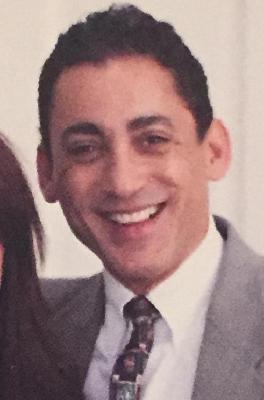
Federal Prohibition Agent Robert D. Freeman died on February 8, 1930, from gunshot wounds he sustained during a raid on December 9, 1929, in Yountville, California. Freeman, along with fellow Prohibition Agent Henry Jones, was executing a search warrant at the residence of John South. During the search, South attempted to dispose of a quantity of liquor by pouring it down the sink. A struggle ensued between South and the agents, during which South drew a .25 caliber pistol and shot Freeman. Despite being rushed to a local hospital, Freeman succumbed to his injuries two months later.
Following the incident, John South was charged under state law with the murder of Agent Freeman. Additionally, both South and his wife faced charges for various violations of federal liquor laws. The legal proceedings revealed that South had shot Freeman twice during the altercation. On May 23, 1930, South was convicted of felony assault and sentenced to ten years in the Federal Penitentiary at McNeil Island, Washington, along with a fine of $1,000. His wife, however, was acquitted of all charges.
In 1932, after serving his sentence for felony assault, South was charged with murder. However, the murder charge was dismissed in 1934, and South did not face further legal consequences for Freeman's death. The case highlighted the dangers faced by Prohibition agents during the enforcement of liquor laws in the United States, as well as the legal complexities involved in prosecuting such cases. Agent Freeman's death underscored the violent resistance that law enforcement officers often encountered during the Prohibition era.