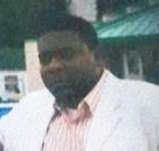
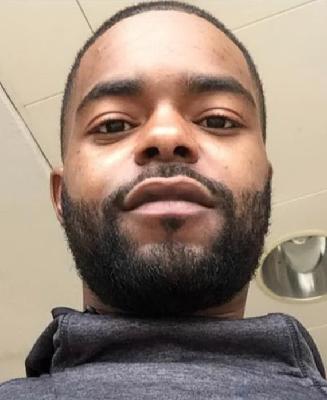
Robert Branch, a 35-year-old Black man, vanished into a Baltimore afternoon on October 2, 2014, after a last sighting near the 1700 block of Barclay Street. A friend watched him walk off around 2 p.m., and then—nothing. When calls went unanswered and a planned meet-up never happened, worry turned into dread; by October 4, he was officially reported missing, and his family began doing what families do when the clock keeps moving but answers don’t: they papered neighborhoods with fliers and searched for any sign that he was still out there.
Nearly two years later, on June 15, 2016, a call came into Baltimore Police about skeletal remains discovered inside a vacant property in the 100 block of East North Avenue. The building had been bought by someone planning renovations, and the discovery cracked open the long, aching question his relatives had carried since 2014—whether the city had been holding him, hidden in plain sight, the whole time. Investigators identified the remains as Branch, but even that hard confirmation couldn’t pin down the story’s missing middle: detectives said it wasn’t clear whether the vacant house was where he was killed, especially given how long the property had been deteriorating before he was found.
The picture that emerged was grim and frustratingly spare. Police said there was no murder weapon recovered, and the state of the scene left little for forensics to hold onto. According to the detective overseeing the cold-case work, there didn’t appear to be blood around the remains—though she cautioned that the passage of time made it impossible to say what might once have been there and later vanished. The medical examiner ruled that Branch died of blunt force trauma, not a gunshot wound, and investigators reported that the only DNA found at the scene belonged to him, closing off the possibility of using other genetic traces to point toward an unknown attacker.
As the case slipped into the cold-case files, the living details—his nicknames, his roles, the way he filled a room—became the family’s way of keeping him present. Relatives described him as the jokester and the life of the party, someone who worked construction, dreamed about acting, and raised five children. The years didn’t dull the anger so much as sharpen the pleading: if someone saw him that day, if someone heard something later, if someone knows what happened between the last sighting and the vacant house, they’re being asked to finally say it out loud.
No arrests or publicly named suspects have been tied to Branch’s killing in the information released by investigators and local reporting, and the case remains unsolved. Detectives have said it would take someone coming forward to break it open, urging anyone with information to contact the Baltimore City Police Homicide Unit, with Metro Crime Stoppers also taking tips anonymously and a reward publicized as up to $6,000.