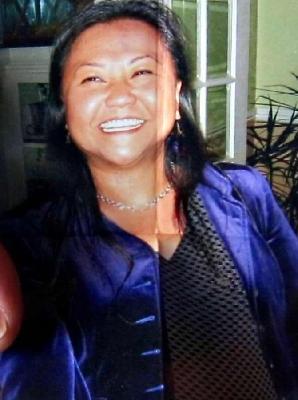
On July 1, 2015, Kathryn "Kate" Steinle, aged 32, was tragically shot and killed while walking with her father and a friend along Pier 14 in the Embarcadero district of San Francisco. The incident occurred when a single bullet struck her in the back, causing fatal injuries. The man responsible for firing the gun, José Inez García Zárate, claimed that he had found the firearm wrapped in cloth beneath a bench and that it accidentally discharged when he picked it up.
The bullet ricocheted off the concrete deck of the pier before hitting Steinle, who was approximately 90 feet away. Despite immediate medical attention, Steinle succumbed to her injuries two hours later in a hospital.
The case quickly gained national attention, partly due to García Zárate's immigration status. He was an undocumented immigrant who had been deported from the United States five times prior to the incident. This aspect of the case sparked a heated political debate about immigration policies and sanctuary cities, with then-presidential candidate Donald Trump using the case to advocate for stricter immigration controls. Steinle's family, however, requested that her death not be politicized.
García Zárate faced multiple charges, including first-degree murder, second-degree murder, and involuntary manslaughter. In November 2017, after a lengthy trial, a jury acquitted him of all murder and manslaughter charges. He was, however, found guilty of being a felon in possession of a firearm, a conviction that was later overturned on appeal in August 2019. The federal charges of involuntary manslaughter and assault with a deadly weapon were also dropped due to insufficient evidence.
The trial revealed that García Zárate had a history of nonviolent drug offenses and that the gun he used had been stolen from a federal Bureau of Land Management ranger's car a week before the shooting. The defense argued that the shooting was accidental, while the prosecution suggested that García Zárate had deliberately fired the weapon in a reckless manner. The jury ultimately sided with the defense, leading to his acquittal on the more serious charges.
The aftermath of Steinle's death saw her family filing a wrongful death lawsuit against the city of San Francisco and federal officials, claiming that their policies and actions had contributed to her death. The case highlighted the complexities and controversies surrounding immigration enforcement and sanctuary city policies in the United States.