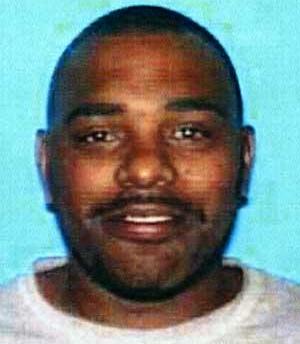
Jeremiah Owings, a 42-year-old man from Compton, California, was tragically shot and killed on July 21, 2016. The incident occurred around 6:30 p.m. in the 100 block of South Willow Avenue, where Owings, a documented gang member, was socializing with members of his gang in the rear parking lot of an apartment complex. According to Los Angeles County Sheriff's Lt. Mike Rosson, several members of a rival gang approached the group and opened fire.
Owings was struck multiple times by gunfire and was pronounced dead at the scene at 8:13 p.m. The coroner's records confirmed the cause of death as multiple gunshot wounds.
The investigation into Owings' death suggested that the shooting was likely an act of retribution for a previous incident involving the rival gang in Compton. Despite the severity of the crime, investigators faced significant challenges due to uncooperative witnesses. The authorities hoped to gather more information by reviewing footage from nearby security cameras, but no descriptions of the shooters were available at the time. The Los Angeles County Sheriff's Department Homicide Bureau urged anyone with information to come forward, emphasizing the option to remain anonymous through Crime Stoppers.
Jeremiah Owings had a history of legal troubles, including a case in the United States District Court for the Southern District of California. In 2013, he was involved in a legal matter where he admitted guilt to multiple violations, including the unlawful use of controlled substances and failure to participate in a drug aftercare program. His supervised release was revoked, and he was sentenced to eight months in prison. This background painted a picture of a man entangled in a cycle of criminal activity, which ultimately may have contributed to the circumstances leading to his death.
The investigation into Owings' murder remained open, with law enforcement continuing to seek leads and information. The lack of cooperation from witnesses and the potential gang-related motives complicated the case, making it difficult for authorities to make arrests or identify suspects. The community's reluctance to engage with the investigation highlighted the broader challenges faced by law enforcement in addressing gang violence and securing justice for victims like Jeremiah Owings.