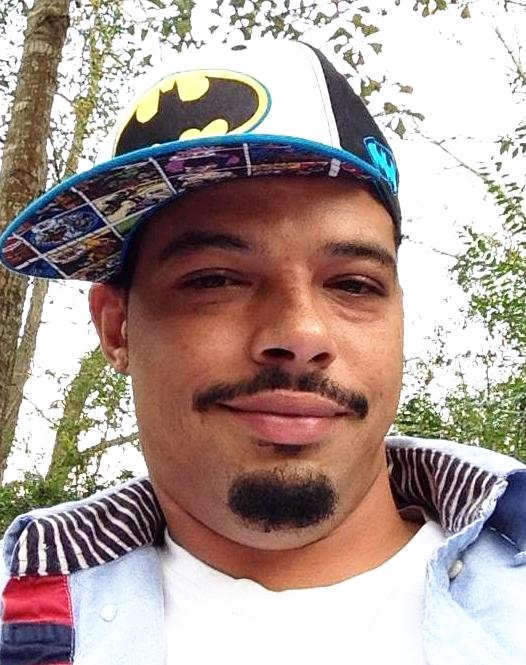
Tarence “Tee” Eugene Gabriel was a man whose presence seems to have filled rooms long before anyone realized how much they depended on it. When he died in New Orleans, Louisiana, on Saturday, February 26, 2011, the loss didn’t land as a single moment so much as a shockwave—moving outward through family, friends, and everyone who had ever called him by that easy nickname, “Tee,” the kind that only sticks when someone is known, loved, and spoken of often.
He was 33, and the way
he is remembered is anchored in the people who held him closest. He was the beloved son of Gail Gabriel and Jerry Ross, a bond that doesn’t loosen just because life changes shape. No matter how old someone becomes, a parent’s love carries a particular kind of tenderness—pride, worry, protection, and a thousand private memories that live behind the eyes. The loss of a child, at any age, is a kind of grief that rearranges the world. It changes the air in a home, the way holidays feel, the way silence settles at the end of a day. It is a love left searching for where to go.
Tarence was also a devoted friend to Ryna Washington, a title that says more than it seems at first glance. Devotion in friendship is rare and earned. It is someone who shows up when the day is heavy, someone who listens without needing to fix everything, someone who can make you laugh even when you’ve forgotten what laughter feels like. It is loyalty, consistency, and the quiet strength of knowing there is a person in the world who will not step away when things get complicated. The word devoted suggests that Tarence was not just present in the lives of others, but meaningful—someone people leaned on, trusted, and relied upon.
And then there is the part of his life that stretches forward beyond him: fatherhood. He was survived by Tariona and Tiya Gabriel, Tarence Miller, Tarence Ross, Terranisha Horton, and Tiyshana and Tiylilah Washington. A parent’s name doesn’t just appear on a list; it lives in bedtime stories, in lessons given and received, in promises made to small faces looking up for reassurance. Even when a father is gone, the love doesn’t disappear—it becomes something the family carries, something that echoes in old photographs and in the way children grow into the features and gestures that remind everyone who they come from. There is a particular heartbreak in knowing that life will continue, birthdays will arrive, graduations will happen, and milestones will unfold without the person who should have been there to witness them. Yet there is also a fierce kind of love in the way families hold a father’s memory close, keeping his name alive so the children always know the shape of what they came from.
He was also survived by four sisters and one brother, and anyone who has grown up among siblings knows that those ties are stitched together by shared history—inside jokes, old arguments, long-forgotten childhood adventures, the kind of memories nobody else can fully understand. Siblings carry a different kind of grief: they mourn not only what was lost, but what will never again be shared. They mourn the conversations that won’t happen, the future gatherings that will feel slightly off, the missing laugh at the edge of the room. They mourn the version of themselves that existed when their brother was still alive, because that version can never return.
The reach of Tarence’s life is also seen in the long list of grandparents, aunts, uncles, cousins, other relatives, and friends who survived him. That kind of list speaks to something profound: he belonged to people, and people belonged to him. He was part of a living web of family stories and friendships, a familiar face in someone’s memory of better days, a voice in someone’s phone, a name that could be spoken and immediately bring back a moment—standing on a corner, sitting on a porch, sharing food, telling a story, offering a hand. When someone is deeply connected, their absence is not a single empty chair; it becomes a thousand small gaps in daily life.
The days after his death moved forward into the difficult work of saying goodbye. A funeral service was held at D.W. Rhodes Funeral Home, 3933 Washington Avenue in New Orleans, scheduled for Friday, March 4, 2011. Visitation began at 8:00 a.m., and the service followed at 9:00 a.m. Those details might seem ordinary on paper, but anyone who has ever walked into a visitation knows what those hours truly contain: the weight of grief, the quiet strength of family members greeting people through tears, the steady line of friends offering hugs and condolences, the shared silence broken by stories that spill out because people don’t know what else to do with the pain. A funeral is a ritual, yes, but it is also a gathering of love—people coming together to witness that a life mattered.
After the service, he was laid to rest at McDonough Cemetery. There is a solemn finality in burial, in the moment when loved ones have to accept that the world has truly changed. And yet, in another way, it is also the beginning of something new: the long road of remembering. A gravesite becomes a place where people talk softly as if the one they lost can still hear them, where they bring flowers or sit in silence, where they try to reconcile the past with the future.
Tarence Gabriel’s story, as provided, is not told through headlines or public declarations, but through the people who carry him forward. His name continues in those who loved him, in the children who bear his blood and his legacy, in the family that will always speak of him as “our son,” “our brother,” “our friend,” “our father.” The life of Tarence “Tee” Eugene Gabriel lives on in the deep ache of those who miss him and in the steady, enduring truth that he was here, he was loved, and he will not be forgotten.