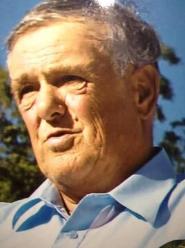
Michael G. Ransear, a 57-year-old man from Herkimer County, New York, had built a life around steady service and practical devotion—U.S. Navy duty in the 1970s, years as a New York State corrections officer, and the kind of reputation that comes from being the person who can fix what’s broken and show up when others need help.
On the morning of March 13, 2013, that ordinary rhythm was shattered in the village of Mohawk.
Authorities said a local resident, Kurt Myers, began the day by setting a fire at his home and then drove a short distance to John’s Barber Shop. Inside, he briefly addressed the owner—asking if he was remembered—before raising a shotgun and opening fire. Ransear and another customer, Harry Montgomery, were killed in the shop, while the barber, John Seymour, and a customer, Dan Haslauer, were critically wounded.
The violence did not end there. Police said the gunman left the barbershop and continued into nearby Herkimer, where he shot and killed two more people at a car-care business—identified in reports as Thomas Stefka and Michael Renshaw—turning a small stretch of the Mohawk Valley into an active crime scene and triggering an urgent, expanding manhunt.
As law enforcement closed in, investigators said Myers fled into an abandoned building, where an hours-long standoff unfolded. With officers holding positions through the night, police eventually sent in a K-9 ahead of the entry team; the dog was shot and killed, and officers returned fire, killing Myers and ending the siege. Because the suspect died during the confrontation, there were no later arrests, charges, or trial proceedings connected to the killings—only the finality of a case closed by the gunman’s death rather than a courtroom verdict.
In the days that followed, Ransear’s death was mourned not just as a statistic of a mass shooting, but as the loss of a husband, father, and grandfather remembered for his hands-on generosity and the way he placed family at the center of his world. A funeral service drew a visible presence of corrections officers, reflecting how deeply his working life had been woven into the community.