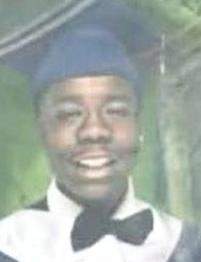
Jermal “Melly” Jarrell, 22, a Black man, died in New Orleans, Louisiana, on Thursday, July 2, 2015. In the days that followed, his name moved through the city the way hard news always does—fast, heavy, and shared in fragments: a young life cut short, a family bracing itself for the impossible, friends trying to make sense of a sudden absence that didn’t feel real.
That night, police records for the July 2–3 reporting period describe a homicide by shooting around 8:20 p.m.
at Fourth Street and LaSalle Street. Officers arrived to find two people down on the ground. The male victim, born May 29, 1993, was listed as deceased, while a female victim was also found at the scene and transported for medical care. The entry does not name a suspect, does not describe the shooter, and offers no public account of what led to the gunfire—only the stark, procedural summary of arrival, discovery, and the rush to get the living to an ambulance.
Online memorial information published soon after confirms Jermal “Melly” Jarrell’s death on July 2, 2015, and lays out what the official police language never captures: the shape of the life behind the report. His family identified him not as a case number but as a son to Juanita Jarrell and Jermaine Davis, a grandson, a brother, a godfather, and a young man surrounded by relatives and friends who were left to carry the grief forward. Funeral arrangements were announced for July 10, 2015, at Reaping the Harvest International Church, with interment at Holt Cemetery in New Orleans.
As for accountability—arrests, named suspects, charges, trials—publicly available summaries tied to this death do not show a clear resolution. No perpetrator is identified in the police log entry for the shooting, and there is no public-facing record in those sources of an arrest or prosecution connected to the homicide described that night. What remains, in the open record, is the collision of two realities: a young man remembered by name and nickname, and a killing recorded in official shorthand, still missing the answers that would explain who pulled the trigger and why.