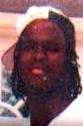
Terrell Rudolph, 35, a Black man from New Orleans, Louisiana, died on Sunday, September 13, 2015.
The details that remain publicly visible paint a portrait more than an explanation. His name appears in memorial notices and shared remembrances, threaded through the kind of words people reach for when something terrible has happened and the world doesn’t make sense anymore.
In those messages, you can feel the shock and the longing, the disbelief that he is gone, and the instinct to hold him in place through memory. People speak to his family as if trying to wrap them up in something warm—offering prayers, love, and the promise that he will not be forgotten.
He is remembered as someone rooted in his city, a New Orleanian with ties that ran through family and community. The record that survives online points to the life he lived rather than the way it ended: connections to his school years, the pride and identity that come with being known in a place like New Orleans, and the steady presence of loved ones who now have to carry his absence. The language used in the public remembrances makes clear that he mattered deeply to those around him—someone who was part of daily life, part of family stories, part of the kind of bonds that don’t dissolve just because a date has been printed beside a name.
What stands out most is how often the grief circles back to love. There are hints of devotion and responsibility, especially in the way people speak about his role within his family. Even without an official narrative explaining what happened, the emotional truth is unmistakable: a man died, and the ripples left behind spread through parents, siblings, children, friends, and everyone who knew the familiar sound of his presence. When people leave condolences, they don’t just acknowledge a death—they speak directly to the hole it leaves, to the unbearable quiet that follows, and to the way a family has to wake up the next day and keep going when their world has been altered.
There is no public account in the available information that outlines suspects, arrests, or a path toward answers. Instead, the story that remains is one of loss and remembrance—of a life recognized and mourned, of a name spoken with tenderness, and of a city family trying to stitch itself back together after something that cannot truly be repaired. In the end, what the surviving online record gives most clearly is not the how, but the weight of the aftermath: the love that surrounded Terrell Rudolph, and the pain of everyone left behind to say goodbye.