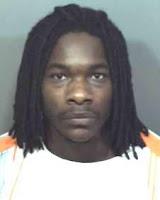
Before dawn on October 28, 2010, Antonio Baxter, a 28-year-old man, was found dead in Coral Hills, Maryland, inside a car in the 900 block of Drum Avenue. By the time police were on scene that morning, the quiet of the neighborhood had already been broken by the realization that whatever had happened wasn’t an accident or a medical emergency that came too late; officers said Baxter had suffered trauma to his body, and they classified the death as a homicide.
As the day moved on, the details the public could grasp were spare but heavy: a body in a vehicle, an address pinned to a specific block, and investigators trying to reconstruct a chain of events that led to that parked car and that final moment. Some public memorial listings would later describe the loss as gun violence and characterize the killing as a shooting, while the contemporaneous television report emphasized “trauma” without publicly specifying the weapon or the exact circumstances.
What followed, at least in the record that is publicly visible from the sources available online, was the kind of silence that can settle over a case when leads are thin or witnesses are wary. In the immediate aftermath, police reported no arrests. No suspect was named in the report, no description of a fleeing person or vehicle was aired in that brief update, and no later public source among those available here documents an arrest, charging decision, trial, or conviction tied to Baxter’s killing.
Away from the crime-scene language and the clipped wording of a breaking-news update, Baxter’s death was also marked in the way families mark the unthinkable: by naming him, placing him in a web of relationships, and trying to hold onto what remains when someone is suddenly gone. An obituary notice reported that he died at 5:02 a.m. in Capital Heights, Maryland, and described loved ones left behind, including his parents and a son, as arrangements were handled through a funeral home.