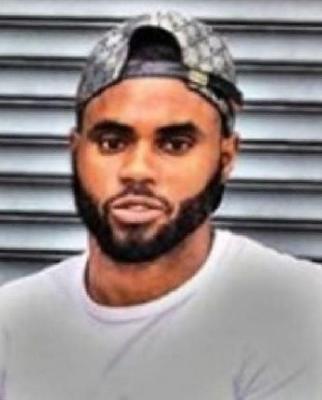
In the spring of 2022, a violent altercation at a Baltimore gas station tragically cut short the life of 33-year-old Robert Carter. On the evening of April 29th, Carter and another man, 27-year-old Kennard Wilds, were at the Carroll Motor Fuels gas station located in the Central Forest Park neighborhood. An argument broke out between Carter, Wilds, and another man, Lamarr Candia.
The verbal dispute escalated when Carter reportedly threw an insignificant object at Candia.
Following this exchange, Candia walked over to his vehicle and made a phone call. A short time later, another individual arrived at the scene, parking on a nearby street. Surveillance footage from the gas station's 16 cameras captured the moments that followed. The unidentified individual, who is believed to be the shooter, spoke with Candia through his car window. Candia then repositioned his car and both men walked toward the gas station parking lot where Carter and Wilds were.
The situation quickly turned violent as Candia allegedly threw the first punch. The shooter then brandished a firearm, pointing it at Carter and Wilds. As Carter lunged for the weapon, he was shot. Eyewitness accounts and surveillance footage reportedly show Candia standing over Carter after he had been shot and punching him in the face. The gunman then shot Wilds as he attempted to flee the scene. A bullet struck Carter in the head, passing through his skull and brain. Wilds was fatally wounded by a bullet that tore through his chest, lungs, and aorta. Both the shooter and Candia fled the scene in their vehicles.
In connection with the deaths of Robert Carter and Kennard Wilds, authorities arrested Lamarr Candia, who was 28 years old at the time of the incident. Candia was charged with four counts of first-degree murder, two counts of firearm use in a felony or violent crime, and two counts of conspiracy to commit first-degree murder, along with single counts of first and second-degree assault. During the trial, the prosecution argued that while Candia was not the triggerman, he 'set the wheels in motion' by calling the shooter to the scene with the intent for the shooting to occur. The defense acknowledged that Candia made a phone call and was present at the scene but contended that he was unaware that Carter had been shot when he punched him and that the prosecution needed to prove the gunman's intent to shoot. The shooter in this case remains unidentified.