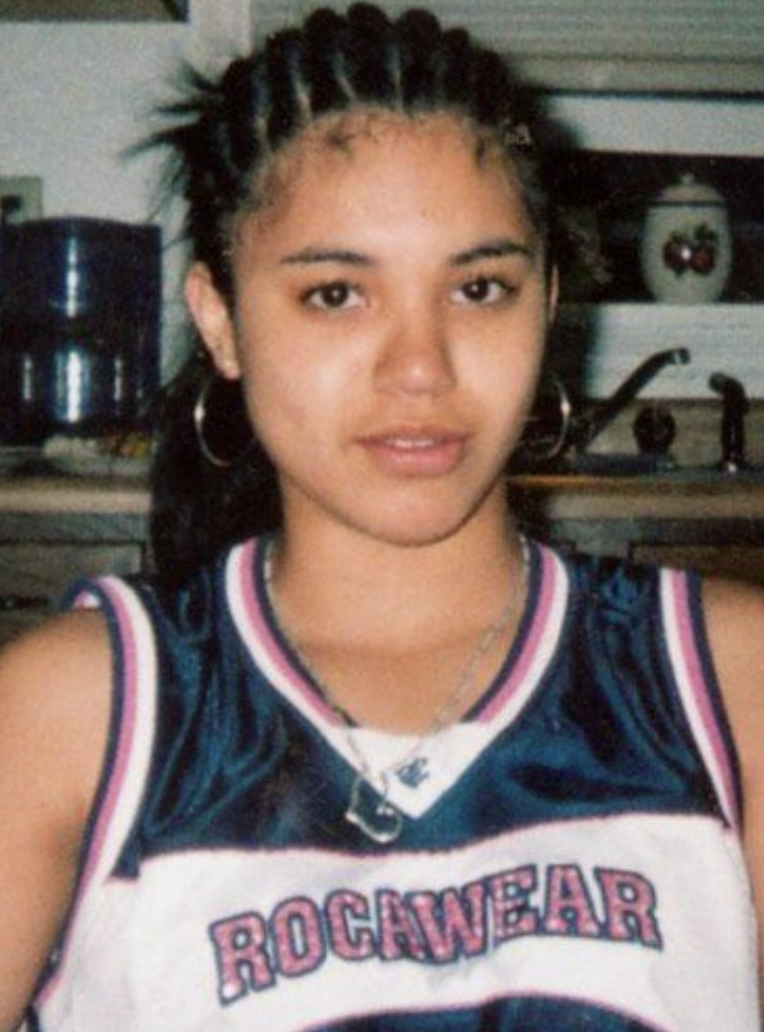
Who killed Alexandra Anaya? In the late summer of 2005, the life of 13-year-old Alexandra Anaya of Hammond, Indiana, was tragically cut short in a case that continues to haunt her community. A young Hispanic female, Alexandra disappeared from her home in the early morning hours of August 13, 2005. There were no signs of a struggle or forced entry, leaving her family bewildered and desperate for answers.
The hope of her safe return was brutally extinguished three days later when a boater made a horrific discovery in the Little Calumet River in Chicago. A young female's torso was found, wrapped in chains and weighed down with a concrete block. Weeks later, DNA evidence confirmed the remains belonged to Alexandra. Her head, arms, and legs have never been recovered.
The investigation into Alexandra's death revealed a story of domestic turmoil and fear. Suspicion quickly fell upon Rudolfo Heredia, the ex-boyfriend of Alexandra's mother, Sandra Anaya, and the father of Alexandra's younger twin sisters. Sandra had ended her relationship with Heredia after Alexandra confided that he had been sexually abusing her for years. In the time leading up to Alexandra's disappearance, Heredia had reportedly been stalking Sandra, even making a duplicate key to their home and confronting her about her personal life. The proximity of the location where Alexandra's remains were found to Heredia's residence, just a few blocks away, further intensified the focus on him.
Despite the strong suspicions, the path to justice has been fraught with challenges. Heredia was arrested and faced federal charges for interstate domestic violence and stalking in connection with his harassment of Sandra Anaya. During the investigation, he admitted to watching the family's home. However, in January 2006, a jury acquitted him of these charges. Crucially, the murder of Alexandra Anaya was not a part of this trial, and he has never been formally charged in her death due to a lack of direct evidence.
In the years since, Alexandra Anaya's case has remained an active and open investigation, eventually being taken up by the FBI to apply more advanced forensic technology. The authorities have publicly stated their belief that Alexandra knew her killer and that her death was not a random act of violence. A reward of up to $20,000 has been offered for information leading to the arrest and conviction of the person or persons responsible for her death. The case remains a painful and unsolved chapter for her family and the community, a stark reminder of a young life taken too soon and the elusive nature of justice.