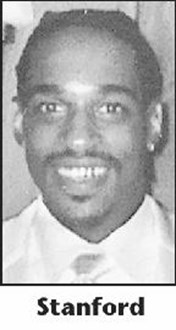
In the winter of 2009, a family tragedy unfolded in Indianapolis, leaving a community in sorrow. On December 8th, Keith D. Benberry, a 29-year-old African-American man, lost his life in a violent altercation. The setting of this grim event was a residence on the east side of the city, a place that should have been a sanctuary. It was here that police were summoned, only to discover Keith Benberry deceased, the victim of multiple stab wounds. The festive spirit of the approaching holidays was irrevocably shattered for the Benberry family.
The investigation into the homicide quickly focused on a member of their own family. The individual charged in connection with Keith's death was his nephew, Dantae D. Benberry. Court documents would later reveal a troubled history between the uncle and nephew, indicative of a relationship strained to the breaking point. This was not a sudden burst of violence, but rather the culmination of ongoing domestic strife. The tensions had escalated to a point where legal intervention had previously been sought.
Months before the fatal stabbing, a physical altercation had occurred between Keith and Dantae, prompting Keith to obtain a protective order against his nephew. Despite this legal measure, the familial connection remained, and Dantae, who was reportedly homeless at the time, had been intermittently staying at his uncle's home. This proximity, coupled with the underlying friction, created a volatile environment that ultimately led to the tragic confrontation. The very person who should have been family became the alleged perpetrator of a senseless act.
The arrest of Dantae D. Benberry brought a semblance of resolution to the case, though it could never erase the profound loss felt by those who knew and loved Keith. The narrative of his death serves as a somber reminder of the complexities of domestic disputes and the devastating consequences when they turn violent. The community was left to mourn the loss of a young life, a life taken not by a stranger, but by a relative, in a place he called home.