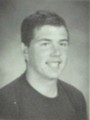
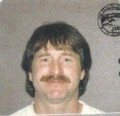
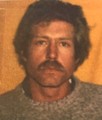
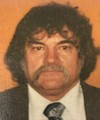
On August 12, 1989, 56-year-old Richard Floyd and three other men boarded a Cessna N1211V aircraft in the Caribou Creek, King Mountain area of Alaska and were never seen alive again. The group was reported overdue, prompting immediate concern for their safety. Richard was traveling with Edgar McCrary, James Slaybaugh, and Robert Horn when the plane vanished, leaving behind few clues as to what might have transpired on their journey from Palmer, Alaska. The initial search for the missing plane and its four occupants yielded no results, deepening the mystery and the anguish for the families awaiting news.
The landscape of Alaska, with its vast and often treacherous terrain, presented significant challenges for search and rescue operations. For a full year, the fate of Richard Floyd and his companions remained unknown, a painful uncertainty for their loved ones. The Alaska State Troopers were involved in the investigation, but the sheer scale of the wilderness where the plane was last reported made the task of locating any sign of the aircraft incredibly difficult. The passage of time without any new information left the families in a state of prolonged grief and suspense, holding on to the faintest of hopes while fearing the worst.
It was not until a year later, on August 16, 1990, that a significant breakthrough occurred in the case. The wreckage of the overdue Cessna was discovered in a ravine, approximately one mile southwest of Hicks Lake. This discovery confirmed the tragic fate of the aircraft, which had crashed in the remote Alaskan wilderness. Despite locating the plane, Richard Floyd, Edgar McCrary, James Slaybaugh, and Robert Horn were still missing. The circumstances surrounding the crash and the subsequent disappearance of the four men remain a poignant and unresolved case for the Alaska State Troopers. The discovery of the wreckage answered one question but created many more, leaving a lasting impact on the families and the community who continue to seek closure.
Last Seen: Aug 12, 1989