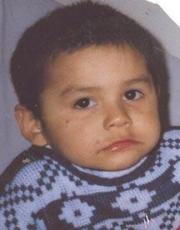
In the early hours of July 17, 2009, 30-year-old Jack Peter St. Pierre, also known as Mike, was last seen in the remote community of Wollaston Lake, Saskatchewan. An Indigenous man, Jack was seen at approximately 1:00 a.m. walking south from an area known as "the point" towards the main hamlet. At the time of his disappearance, he was wearing blue denim jeans, a blue t-shirt, and a black hooded sweatshirt. He is described as having black hair, brown eyes, standing at 5'10" and weighing 134 pounds, with a noticeable four-inch scar on his abdomen. The circumstances of that night remain somewhat unclear, with reports suggesting he had been drinking with a friend. There was a later, unconfirmed sighting of him possibly taking a boat across the bay at Wollaston Lake.
The days following Jack's disappearance were filled with uncertainty and a growing sense of dread for his family.
The details surrounding his last known movements were sparse and at times conflicting. His sister, Florence St. Pierre, has spoken about the anguish of not knowing what happened to her brother, a sentiment that has not faded with the passage of time. The discovery of some of his personal articles of clothing in the water near where he was last thought to have been seen only deepened the mystery and the family's concerns. Despite the lingering questions, the woman he was reportedly with on the night he vanished has been cooperative and even offered to help in the search efforts.
Over a decade has passed since Jack Peter St. Pierre was last seen, and his case remains an active missing person investigation with the F Division RCMP Historical Case Unit. For his family, the years have been marked by a tireless search for answers and a struggle to keep his memory alive. They have organized walks and vigils to raise awareness, not only for Jack's case but for other missing men from their community, highlighting the unique challenges faced by those in remote areas with limited resources. The lack of closure has been a heavy burden, with his sister expressing the family's belief that he is no longer alive and the torment of imagining his final moments. This case provides a somber overview of the lasting impact of a loved one's disappearance, the family's enduring quest for information, and the complexities of investigating such cases in isolated northern communities.Last Seen: Jul 17, 2009