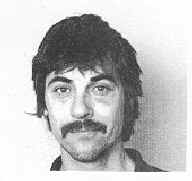
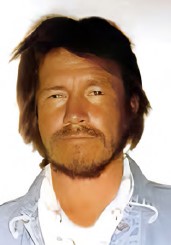
Andrew Preble Grinnell was a 16-year-old male when he was last documented on July 18, 1984, during an extended canoe journey through the remote James Bay region of northern Ontario. Andrew was traveling with his older brother, George Grinnell, as well as Alexander “Sandy” Host and Betty Eamer. The group had begun its journey from Sioux Lookout and traveled eastward along the Albany River, eventually reaching Fort Albany on the western shore of James Bay.
Their intended destination was Moosonee, far to the south near the mouth of the Moose River. Records of the trip state that at approximately 6:00 p.m. on July 18, the four departed Fort Albany for the final coastal portion of their journey. They reportedly planned to travel south along James Bay with their canoes tied together, an arrangement that would allow them to use the wind as they made their way toward Moosonee. That departure from Fort Albany became the last documented point in Andrew's journey before the group disappeared in one of Canada's most isolated and unforgiving waterways.
For several days after leaving Fort Albany, the canoeists were somewhere along the western shore of James Bay with no direct communication available to confirm their progress. On July 23, severe weather struck the James Bay area, and subsequent accounts have long identified that storm as the likely event that overwhelmed the group. The exposed waters of James Bay can become extremely dangerous when high winds develop, producing powerful waves and rapidly changing conditions along a coastline where communities and safe landing locations are widely separated. Later records associated with the four travelers place Andrew, George, Alexander and Betty together when the accident is believed to have occurred. A municipal cemetery record in Orford, New Hampshire, memorializes all four in connection with the James Bay tragedy and records July 23 as the date associated with their deaths, although Andrew himself was never recovered. Contemporary and later accounts consequently point toward a catastrophic water accident rather than evidence that Andrew intentionally separated from the group or disappeared under unrelated circumstances.
When the travelers failed to arrive as expected, concern gradually turned into a large-scale missing-person search. Relatives in the United States reported the four canoeists missing on August 1, 1984. Ontario Provincial Police personnel subsequently searched the remote southern James Bay shoreline, using aircraft and ground teams to cover an area that would have been extraordinarily difficult to search by land alone. The search eventually produced tragic discoveries. On August 11, an OPP aircraft located the body of one member of the group on a sand flat approximately 32 kilometres north of Moosonee. The following day, searchers aboard an OPP helicopter spotted another body at about 9:00 a.m. and then discovered a third body nearby several hours later. Ground personnel were directed to the locations so the remains could be recovered. Contemporary reports initially withheld the identities, but later missing-person records state that the remains of Andrew's three companions were ultimately recovered while Andrew could not be located.
The recovery of the other members of the canoe party greatly narrowed the circumstances surrounding Andrew's disappearance but did not provide his family with the same physical recovery. Andrew was described as having brown hair and a medium build, standing approximately 5 feet 8 inches tall and weighing about 141 pounds at the time he vanished. His case has continued to appear in missing-person records many years after the 1984 search, with records identifying both the Royal Canadian Mounted Police and the Ontario Provincial Police in connection with the case. The available record gives an RCMP case number of 2006012299 and an Ontario Provincial Police missing-person reference of RM06015715. There is little publicly available information suggesting investigators developed any alternative explanation for Andrew's disappearance after the search of James Bay, and the circumstances surrounding the recovery of the other three canoeists have remained central to understanding what happened to him.
More than four decades later, Andrew Preble Grinnell's story remains tied to the ambitious canoe expedition that carried four travelers from the interior of northern Ontario down the Albany River and onto the open waters of James Bay. What began as an adventurous journey toward Moosonee ended after the group left Fort Albany on July 18, 1984, encountered the isolated James Bay coast and, according to the available evidence, was overtaken by severe weather several days later. Three members of the party were eventually recovered during the August search, while Andrew was never located despite the extensive efforts that followed. His disappearance is therefore remembered not as an isolated vanishing but as the unresolved final part of a documented James Bay canoeing tragedy: a 16-year-old traveling with people close to him, a final departure from Fort Albany, a violent change in weather, an intensive search, and the recovery of everyone in the party except Andrew. His case has endured because, although the broader circumstances of the expedition are known, the search never provided a definitive physical answer as to where Andrew was carried after the group encountered disaster on James Bay.Last Seen: Jul 18, 1984