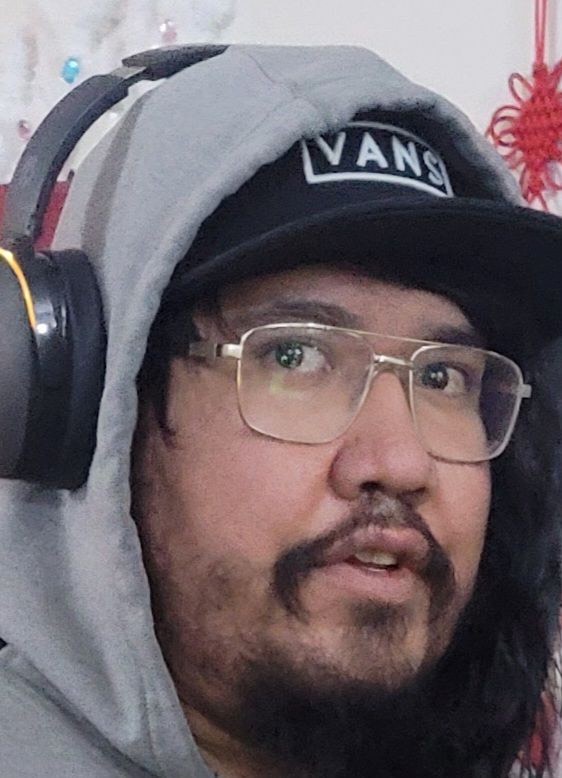
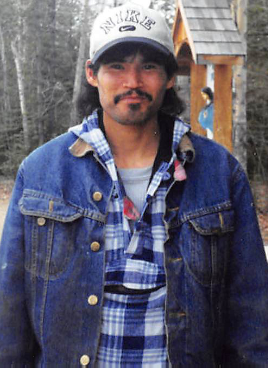
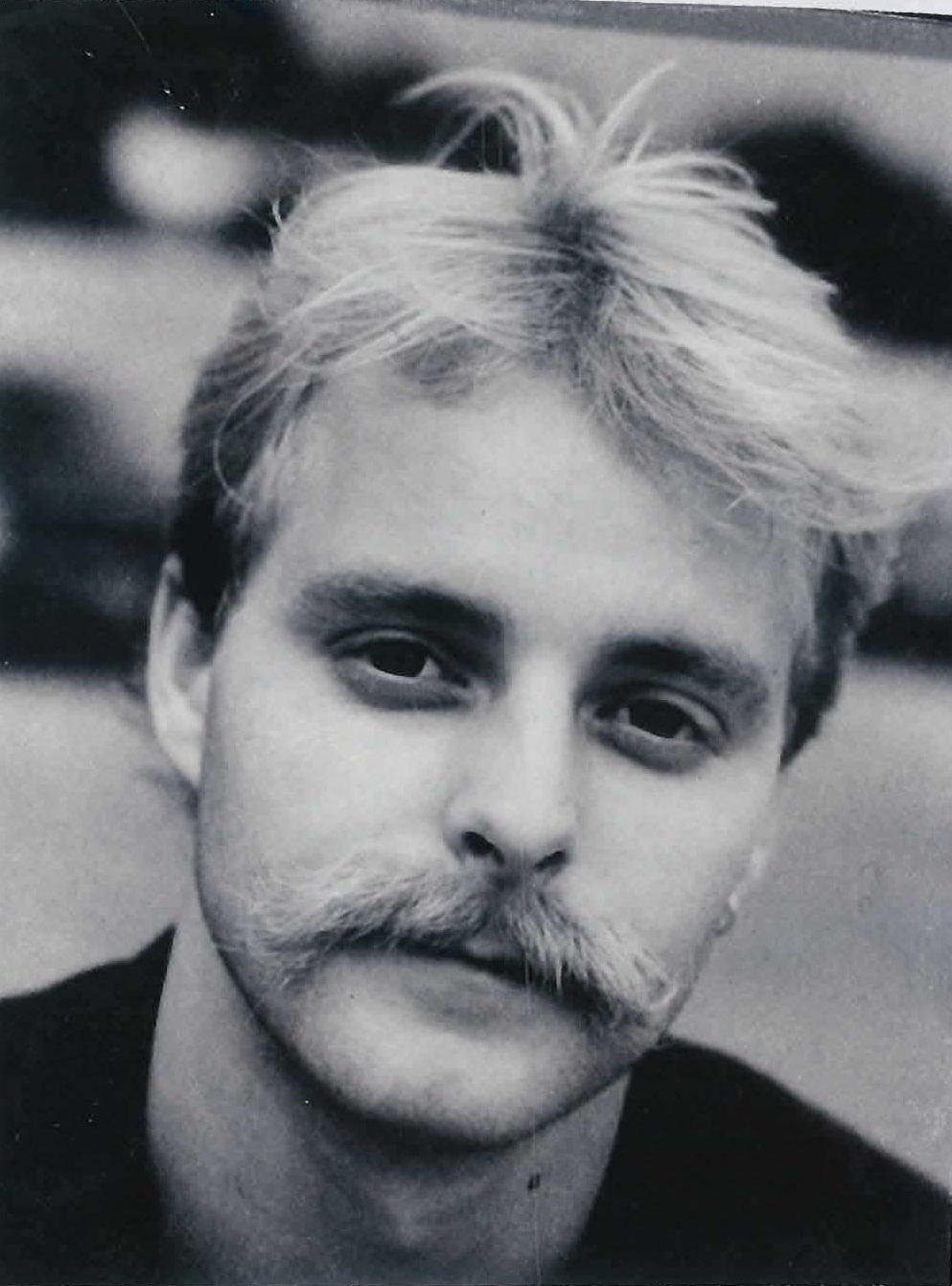
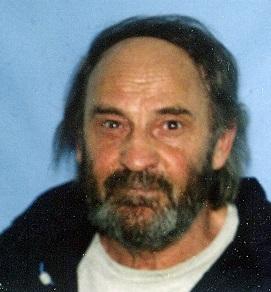
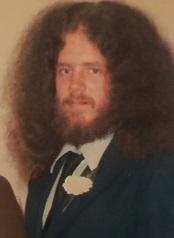
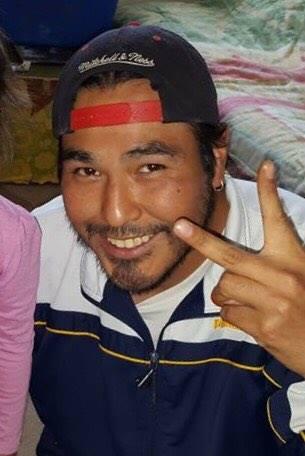
Richard Lyman Griffis was last seen on September 20, 2006, in the White River area near Beaver Creek, Yukon, along the Alaska Highway. Contemporary reporting based on the active Alaska State Troopers missing-person bulletin described Griffis as a 47-year-old man at the time he disappeared. He was approximately six feet tall and weighed about 220 pounds, with light-brown hair, glasses, and a clean-shaven appearance.
Griffis had most recently been living in Spokane, Washington, after having lived in several other parts of the United States, and was known by his family as a creative man who wrote, designed things, and pursued inventions. His final journey north was connected to one of those inventions: a bright orange wilderness survival device described as a “survival cocoon” or survival pod. Griffis traveled into the Yukon intending to test the device under genuine wilderness conditions, entering a vast and exceptionally isolated region near the Canadian-Alaskan border where mountains, glaciers, dense vegetation, and powerful glacial rivers can make travel extremely difficult.
Investigators were eventually able to reconstruct part of Griffis’s journey through transportation records and accounts from people who had encountered him. The Royal Canadian Mounted Police determined that he had purchased a bus ticket north and traced him to the location where he had been dropped off along the Alaska Highway. Griffis made his way to a lodge near the White River, where he left some of his belongings behind. He told people there that he intended to travel upriver, ultimately heading through the Wrangell Mountains toward the McCarthy or Kennicott area of Alaska, within the enormous Wrangell-St. Elias region. He planned to take the orange survival cocoon with him and put the invention to a real-world test during the expedition. The White River offered a possible corridor into the wilderness, but the surrounding country was immense, rugged, and sparsely traveled, leaving Griffis with countless possible routes once he moved away from the highway. After leaving the lodge and setting out toward the wilderness, he was not known to have reached McCarthy, Kennicott, or another settlement, and no confirmed sighting placed him anywhere beyond the White River area.
One of the greatest obstacles to finding Griffis was the amount of time that passed before anyone realized he was missing. Before his trip, he had reportedly told friends in the southern United States that he might remain in Alaska through the winter. Because an extended absence was therefore not immediately considered alarming, months passed without a missing-person report. It was not until approximately August 2007, nearly a year after his disappearance, that a woman in Florida contacted the Royal Canadian Mounted Police looking for him. By that point, investigators faced the daunting task of reconstructing a wilderness journey that had taken place many months earlier. RCMP Sgt. Ben Sewell later explained that Griffis had not left anyone with a detailed itinerary showing exactly where he intended to travel. Sewell and other investigators were nevertheless able to work backward through the available records, locating the bus information, identifying where Griffis had been dropped off, and discovering the gear he had left at the lodge. A search of the White River corridor was conducted, but neither Griffis nor anything conclusively connected to his expedition was located.
The terrain itself presented formidable problems. The White River is a swift, sediment-heavy glacial river draining the northeastern portion of the Wrangell-St. Elias region, surrounded by remote valleys and mountain country with very little regular human traffic. Searchers had an enormous area to consider and no confirmed route beyond Griffis’s stated intention to travel toward Alaska. Even a brightly colored object such as his orange survival cocoon could easily remain concealed for years in forest, brush, river channels, avalanche debris, or other inaccessible terrain. The long delay before the investigation began also meant that investigators could not rely on recent tracks, campsites, disturbed vegetation, or other temporary clues that might have helped establish his direction of travel. Although there was hope that someone traveling through the region might eventually encounter part of the distinctive orange survival device, years passed without such a discovery. Alaska authorities subsequently added Griffis to the state Missing Persons Clearinghouse in 2009, keeping his disappearance formally documented long after the original search efforts ended.
Members of Griffis’s family later provided additional context about the man behind the disappearance. A relative described him as someone who had long been creative and interested in writing, designing, and inventing. She said the survival cocoon had been developed while he was in Florida and that hopes of eventually manufacturing and marketing it helped draw him toward the Northwest. His family had also lost regular contact with him following a serious illness involving cancer that had gone into remission. A relative said Griffis contacted a sister about his planned 2006 expedition, and family members were left to wonder whether his health may have influenced his decision to undertake such an ambitious wilderness journey. No evidence has established exactly what happened after he entered the White River country, however, and authorities have never publicly identified a confirmed accident site, campsite, remains, or other physical evidence explaining his disappearance.
No confirmed trace of Richard Lyman Griffis or his distinctive orange survival cocoon has been publicly reported since his disappearance. The possibility that he encountered a wilderness accident has long been considered in light of the hazardous country he entered, but there is no physical evidence establishing whether he was injured, became lost, attempted to travel on the river, crossed into Alaska, or met with some other circumstance. The absence of an exact route and the nearly year-long delay before authorities learned he was missing severely limited what investigators could reconstruct. His family, the Canadian officer who investigated the case, and those who have continued documenting his disappearance have been left without the answers that might explain his final journey. In overview, Griffis traveled north in 2006 to test an invention he believed could help a person survive in the wilderness, left some belongings near the White River, and set out toward one of North America’s largest and most remote wilderness regions. He was never confirmed to have reached his destination, and despite investigative efforts on both sides of the Canadian-Alaskan border, his disappearance remains unresolved, leaving an enduring mystery surrounding both the man and the bright orange survival device he carried into the wilderness.Last Seen: Sep 20, 2006