- Home
- Cases
- Get Involved
- Community
- Tools
- Info
-
Account
- NOT A MEMBER
Become a Member! - LOGIN
- NOT A MEMBER
- Search Cases

Elizabeth Marie
BAIN
58
22
62 inches
62 inches
108 lbs
108 lbs
White / Caucasian
Female
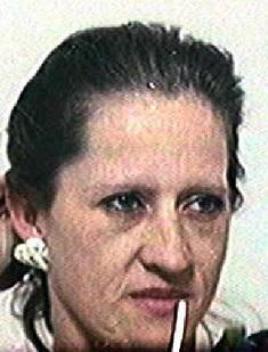
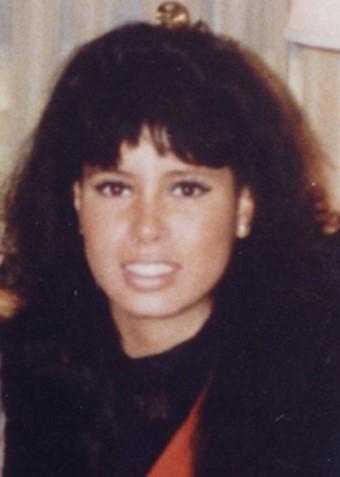
On June 19, 1990, a 22-year-old University of Toronto student named Elizabeth Marie Bain walked out of her family's home in Scarborough, Ontario. She told her mother she was making the short, 10-minute drive to the university's Scarborough campus to check the tennis schedules. A quiet and kind young woman who studied psychology and history, Elizabeth was last confirmed to have been seen at 3:45 p.m. when she withdrew $80 from a bank. This routine errand would become the last known trace of her. Elizabeth, a woman with shoulder-length brown hair, brown eyes, and a compassionate nature, never returned home, sparking a mystery that would endure for decades and evolve into one of Canada's most prominent and troubling unsolved cases. The initial days following Elizabeth's disappearance were filled with desperate hope that quickly turned to dread. Three days after she was last seen, her silver Toyota Tercel was discovered abandoned on Military Trail, not far from the university campus. The discovery inside the vehicle was grim: a large pool of blood was found in the back seat, which forensic testing later confirmed belonged to Elizabeth. Her body, however, was nowhere to be found, and there were no immediate witnesses to explain what had happened to her. The investigation soon focused on the person closest to her, her 24-year-old boyfriend, Robert Baltovich. Despite his cooperation with police and active participation in the searches for Elizabeth, he was arrested five months after her disappearance and charged with her murder. The legal proceedings that followed took a dramatic and contentious path. In March 1992, despite the absence of a body or any physical evidence linking him directly to a crime, Robert Baltovich was convicted of second-degree murder and sentenced to life in prison. He spent eight years behind bars steadfastly maintaining his innocence. In 2004, the Ontario Court of Appeal set aside the conviction, citing legal errors and a biased jury charge, and ordered a new trial. By April 2008, the case against him collapsed entirely when the prosecution presented no evidence, leading to his formal acquittal. The case was reclassified as unsolved, leaving the question of what happened to Elizabeth Bain unanswered. Over the years, speculation has arisen regarding a possible link to Paul Bernardo, the serial predator known as the "Scarborough Rapist," who was active in the area at the time of Elizabeth's disappearance. However, no direct evidence has ever connected him to her case. The disappearance of Elizabeth Bain is a profound and lasting tragedy, a story not only of a young life vanished but also of a justice system that faltered. Her body has never been recovered, no one has ever been held responsible for her death, and a family has been left without answers for over three decades. As of 2026, students at the University of Guelph-Humber have been reviewing the original investigative files, hoping a fresh perspective might uncover new leads in this deeply unsettling cold case.
Blouse Other, Button-up; floral pattern; polyester Pants Cotton, Black, Jogging pants Shoes Leather, Brown, Flats
Jun 19, 1990
Toronto
Ontario
Toronto Police Service-Missing Person Unit
Ontario
416-808-7411
416-808-7411
Law Enforcement
1990-4339.D42
Toronto Police Service-Missing Person Unit
Brown
Brown
Brown
Build: Medium; Complexion: Dark; Hair details: Shoulder, Straight
No
Read full forum posts and contribute to this case discussion.
Unlock forum access — $3.97/month