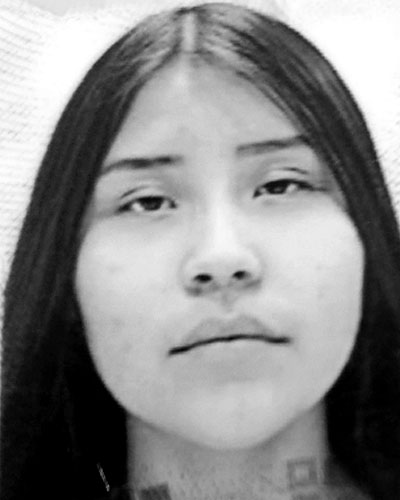
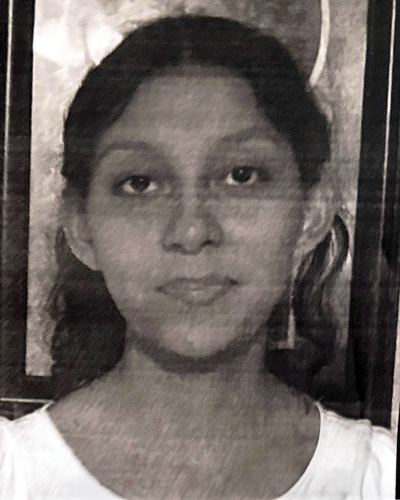
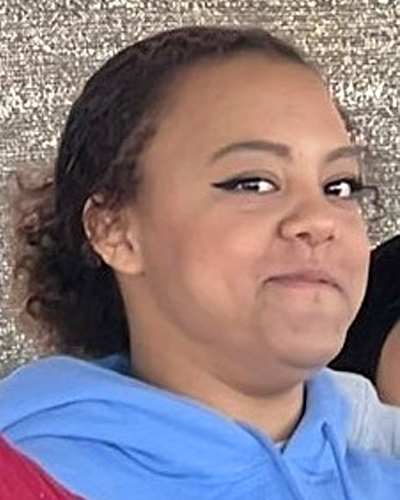
Gredmarie Chavarin-Dousten was 14 years old when she was reported missing from Florence, Arizona, after being last seen on February 8, 2026. The disappearance of the teenage girl was entered into the wider network of missing-child cases in Arizona, but very little about the circumstances surrounding that day has been released publicly. Available information does not explain where in Florence Gredmarie was last seen, who last saw her, what she was doing immediately beforehand, or whether she
left on foot or by vehicle. There are also no widely published details describing the clothing she was wearing at the time. That lack of information leaves much of the beginning of the case unknown and makes the disappearance especially difficult to reconstruct from publicly accessible records.
The limited information released about the Florence disappearance does not describe evidence of an abduction, identify anyone believed to have accompanied Gredmarie, or name a suspect in connection with her disappearance. Likewise, no publicly available account located during research provides a detailed timeline of her movements before she went missing or explains whether investigators initially considered her endangered, a runaway, or missing under some other classification. For a child of her age, however, locating her and establishing that she was safe would have been the overriding concern. The absence of extensive news coverage does not necessarily reflect the amount of investigative work that may have taken place; juvenile missing-person investigations often involve information that is not released publicly because of the child's age, privacy concerns, or circumstances known only to the family and investigating authorities.
An unusual development appears in later missing-child records involving the same name. Several months after the Florence disappearance, Gredmarie Chavarin-Dousten was publicly listed again as a missing 14-year-old girl, this time from Glendale, Arizona. That later alert states that she was last seen in Glendale on May 2, 2026, and describes her as Hispanic, with black hair and brown eyes. The Glendale Police Department was identified as the investigating agency in that later case, and the National Center for Missing & Exploited Children was among the organizations through which information about her whereabouts could be reported. Because the later Glendale report identifies a different location and a different missing date, it appears to concern a separate missing-person episode rather than simply a continuation of the Florence report. Publicly accessible information, however, does not provide enough detail to establish exactly when or under what circumstances the earlier Florence episode ended, so those details should not be assumed.
The later reporting underscores how little was made public about Gredmarie's circumstances. There are no reliable publicly released accounts detailing where she might have gone, people she may have been staying with, transportation she may have used, or locations investigators may have searched. No publicly identified suspect has been connected with her disappearance, and the available reporting does not establish that a crime occurred. For her family and those concerned for her safety, the uncertainty surrounding such a case can be especially difficult because even seemingly minor information about a sighting, conversation, vehicle, social-media contact, or location can potentially help investigators reconstruct a missing child's movements.
Taken as a whole, the publicly available record tells the story of a young girl whose disappearance generated only a small amount of information outside official missing-child channels. Gredmarie Chavarin-Dousten was reported missing at age 14 from Florence, Arizona, after being last seen on February 8, 2026, yet the circumstances leading up to her disappearance remain largely undisclosed. Later in 2026, she appeared in another missing-child alert originating in Glendale, showing that concern for her safety surfaced again even though the public record does not explain what happened between the two reports. There are no publicly identified suspects or detailed investigative findings associated with the Florence disappearance, leaving the case defined primarily by the limited facts surrounding when and where Gredmarie was last known to be and by the continuing importance of information that could help authorities establish a complete account of what happened to her.Last Seen: Feb 8, 2026