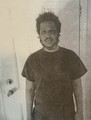
On the evening of August 20, 1978, in Newark, New Jersey, 17-year-old Male Melvin Pittman, also known as Rickey, was with four of his friends: Randy Johnson, Michael McDowell, Ernest Taylor, and Alvin Turner. The group of teenagers, who would later become known as the "Clinton Avenue Five," had spent part of the evening playing basketball at West Side Park.
Later, they were seen getting into a pickup truck driven by Lee Anthony Evans, a local carpenter who sometimes hired them for odd jobs. Evans told authorities he had dropped the boys off around 11:00 p.m., but none of the five have ever been seen or heard from again. Initial police theories suggested the boys may have run away, but their families insisted this was completely out of character for them. A few days after their disappearance, a mysterious phone call was made to one of the boys' mothers from a payphone in Washington, D.C., by an individual who claimed to know their whereabouts and demanded money for the information, but this lead never materialized.
For more than three decades, the case of the Clinton Avenue Five grew cold, leaving their families with unanswered questions and a lingering sense of loss. The Social Security numbers of the missing teens were never used, and none of them ever applied for a driver's license in any state. A significant break in the case finally came in March 2010, when authorities arrested Lee Anthony Evans and his cousin, Philander Hampton. A third suspect, another cousin named Maurice Woody-Olds, had passed away from natural causes in 2008. The arrests followed a confession from Hampton, who had been taken into custody on an unrelated charge. He detailed a horrific sequence of events, claiming that he and Evans believed the teenagers had stolen marijuana from them. Hampton alleged that in retaliation, they lured the boys to an unoccupied house on Camden Street, forced them into a closet at gunpoint, and then set the building on fire, leaving the teenagers to perish in the blaze.
Despite the detailed confession, the subsequent investigation and legal proceedings brought more complexity and heartbreak to the case. Investigators searched the site of the fire that Hampton described but found no human remains or physical evidence to corroborate his story. In August 2011, Philander Hampton pleaded guilty to five counts of felony murder as part of a plea deal and received a ten-year prison sentence. A key part of his agreement was to testify against his cousin, Lee Anthony Evans. However, when Evans went to trial in November 2011, he chose to represent himself and was ultimately acquitted of all charges. Without any physical evidence, the prosecution's case relied heavily on Hampton's testimony, which was not enough to secure a conviction. To this day, the bodies of Melvin Pittman and his four friends have never been found, and their disappearance remains one of New Jersey's most haunting unsolved cases, a tragic story of five young lives that vanished on a summer night.Last Seen: Aug 20, 1978