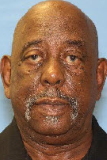
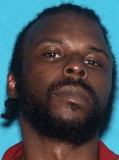
Brien Parker Burns was a 41-year-old male reported in publicly available online case information as last seen on March 10, 2021, in University City, Missouri. The available online record gives only a narrow public picture of that day: a man in his early forties, identified by his full name, connected to University City, and then a disappearance with very little publicly released detail about where he was going, who last had contact with him, or what circumstances may have led to him being missing. University City is served by its local police department, and Missouri’s statewide missing-person search system directs the public to contact the investigating agency for further information because its public listings are derived from NCIC information rather than serving as the originating record.
The sparse nature of the online information leaves Brien’s case defined more by absence than by a clear sequence of events. There are no widely available public details identifying a vehicle, clothing description, destination, medical concern, or confirmed sighting after March 10, 2021. That kind of silence is painful in a missing-person case because it leaves family, friends, and the broader community without the basic answers that normally help form a timeline. What remains publicly visible is that Brien’s name became attached to a missing-person record from University City, Missouri, and that the known public details do not explain what happened after he was last seen.
Missouri’s public missing-person resources emphasize that information appearing in the statewide system is drawn from the National Crime Information Center through the investigating agency and is updated automatically, while the Missouri State Highway Patrol also provides a way for the public to submit tips. That framework matters in Brien’s case because it shows how limited public information can be: the public may see only a small portion of what has been reported or investigated, while fuller case details may remain with law enforcement. National missing-person resources such as NamUs describe the broader purpose of centralized missing and unidentified person systems as helping investigators, families, and agencies compare records and pursue resolution across jurisdictions.
For those who cared about Brien, the lack of public answers would have meant living with uncertainty rather than a clear ending. A disappearance with few details can be especially difficult because there may be no single public clue to focus on, no confirmed direction of travel, and no official narrative that explains why the person could not be located. In that space, a missing-person case becomes both a matter of records and a deeply human story: a 41-year-old man was last seen in University City, Missouri, on March 10, 2021, and the publicly available online information does not provide a clear account of what happened next.
The overview of Brien Parker Burns’s case is therefore one of a man whose last publicly reported location was University City, Missouri, whose last seen date was March 10, 2021, and whose case remains marked in online sources by a striking lack of public detail. The known information is limited to the essential identifiers and setting, while the circumstances, timeline, and outcome are not clearly explained in the available public record. In compassionate terms, the case stands as a reminder that even when few facts are visible online, every missing person represents a life, a history, and people who may still be left searching for answers.
Last Seen: Mar 10, 2021