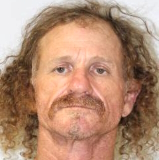
In the autumn of 1994, Joshua Scott Curry was a 20-year-old man navigating a challenging period in his life on the island of Hawaii. Described as a friendly and fun-loving person who studied English in college, he had a passion for music and was skilled in both cooking and electronics. However, beneath this surface, Joshua was struggling. A month before he vanished, he confided in his mother that he was battling an addiction to heroin and was also experiencing depression.
This personal turmoil was compounded by his connection to a tragic and violent crime that had occurred the previous year. His ex-girlfriend, Sequoya Vargas, had been murdered in August 1993. Joshua had been with her at a party the night before she was killed, where they had spoken about potentially getting back together. As a result, he was slated to be a witness in her murder trial, a position that placed him in a precarious and potentially dangerous situation.
The last time Joshua's mother saw him was on November 25, 1994, when she dropped him off at his apartment in Mountain View, a rural community near Hilo. He was living a sparse existence, without even a telephone in his residence. His mother gave him some change so he could call her the following day from a pay phone. That call was never made. Joshua Scott Curry was never seen or heard from again. At the time he went missing, he was described as a Caucasian male with blond hair and blue eyes, standing 5'10' and weighing around 140 pounds. He had a distinctive dragon tattoo on his upper right arm. His disappearance left his family with a void of unanswered questions and the beginning of a long and painful search for the truth.
In the years since Joshua disappeared, his case has remained unsolved, shrouded in troubling and conflicting information. His family holds the firm belief that he was murdered. This belief is supported by alarming reports that his life had been threatened before he went missing and that six men had allegedly confessed to beating him to death, though no charges were ever filed in relation to these confessions. The connection to his ex-girlfriend's murder trial remains a significant, though unconfirmed, factor in his disappearance. Investigators have been divided, treating the case as that of a missing person rather than a homicide, while also considering the possibility that Joshua may have chosen to leave voluntarily due to his depression and drug addiction. Adding another layer of mystery, Joshua's former roommate reportedly died by suicide on a highway in California shortly after he vanished, though it is unknown if he had any information about the case. Overall, the case of Joshua Scott Curry is a deeply distressing one, involving a young man who vanished under a cloud of suspicion linked to a murder case, personal struggles with addiction, and unverified confessions of foul play. Without a body or definitive evidence, his disappearance remains a cold case, leaving his loved ones without closure.Last Seen: Nov 25, 1994