Crime Solvers Central
302 Cases Solved. Advancing justice for missing persons, unsolved homicides, unidentified and unclaimed remains.

Case Description

Any updates on this case? Let us know!
Summary based on 3 sources
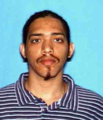
Timothy Russell O'Kane, a 33-year-old man, was last seen in Sacramento, California on May 28, 1991. He was at his place of employment when he told people he was traveling to Texas to assist an elderly uncle. However, O'Kane's sister later stated that the family had no uncle in Texas. He left behind his car and his mechanic's tools and has not been seen or heard from since.

O'Kane's family described him as being mentally unstable and struggling with cocaine abuse. He had a history of disappearing for extended periods, which led to a delay in him being reported as a missing person. The official report was not filed until August 12, 1991, nearly three and a half months after he was last seen.

At the time of his disappearance, Timothy O'Kane was described as a white male, standing between 6'2" and 6'4" tall, and weighing between 175 and 190 pounds. He had brown hair and brown eyes. Distinguishing characteristics included a severe skin rash on both of his legs, as well as scars on his nose and back from previous surgeries. His case is classified as an endangered missing person and remains unsolved. An obituary for his father, Dr. Calvin O'Kane, who passed away in 2007, mentioned that he had lost his son Timothy in 1991.

Last Seen: May 28, 1991

Possible Unidentified Matches (1)

Unidentified remains cases whose details are consistent with this person, ranked by how closely they compare. Fields that are unknown in either case are left out of the score.

75%Possible
John Doe — Thousand Palms, California
UP7070 • Found May 26, 1991
View case
Sex ✓Male
Age 100%Est. 25–40 vs 33
Race 100%White
Location 75%Same state
TimingFound same day as last seen
Weight 100%160 lb vs 175 lb

These comparisons are generated automatically from public NamUs case data and are not confirmed identifications. Only DNA, dental or fingerprint comparison by investigators can confirm an identity. If you believe two cases are connected, contact the agency handling the unidentified case.